
Category Uncategorized
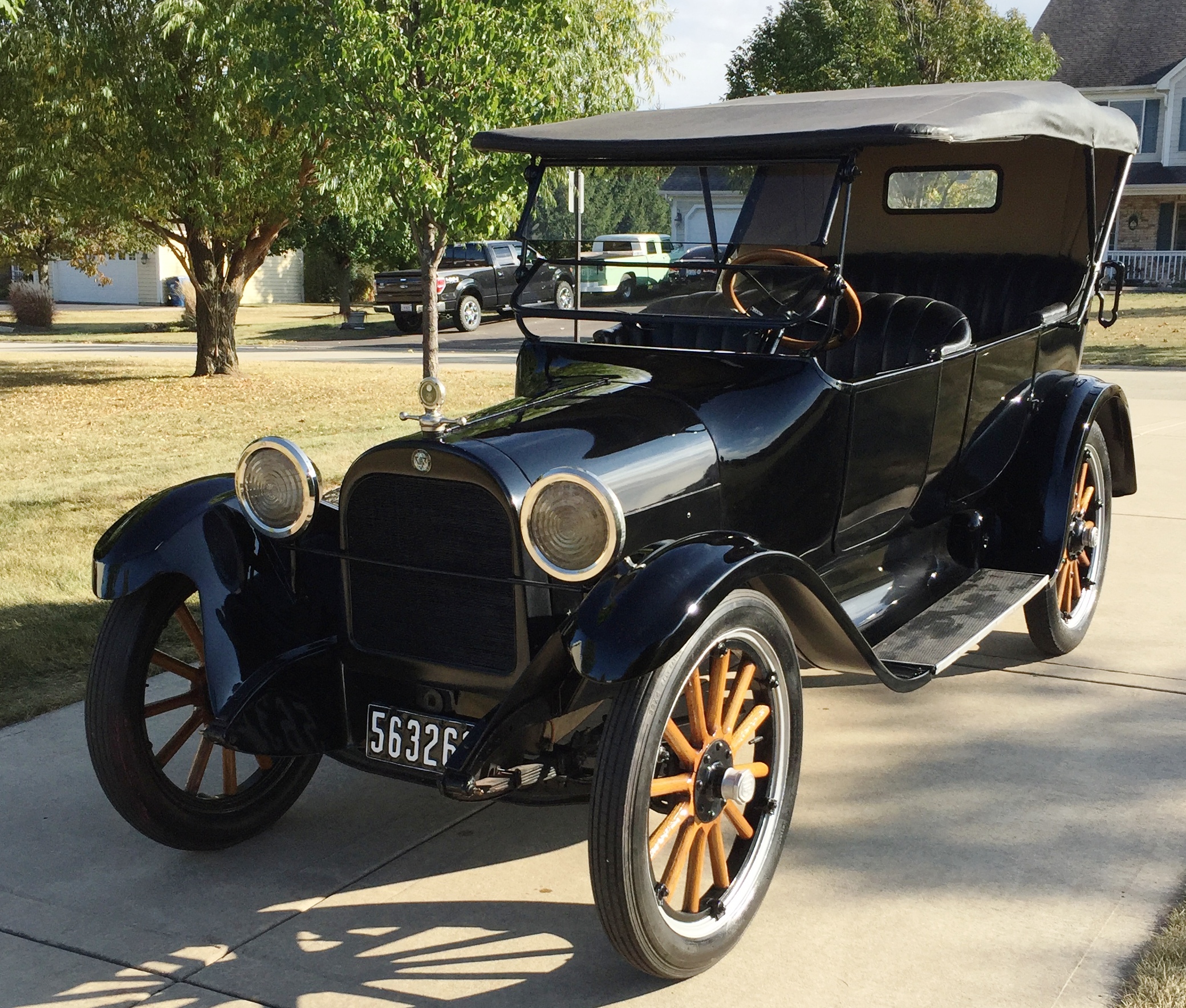
1921 Dodge Brothers Touring – sold
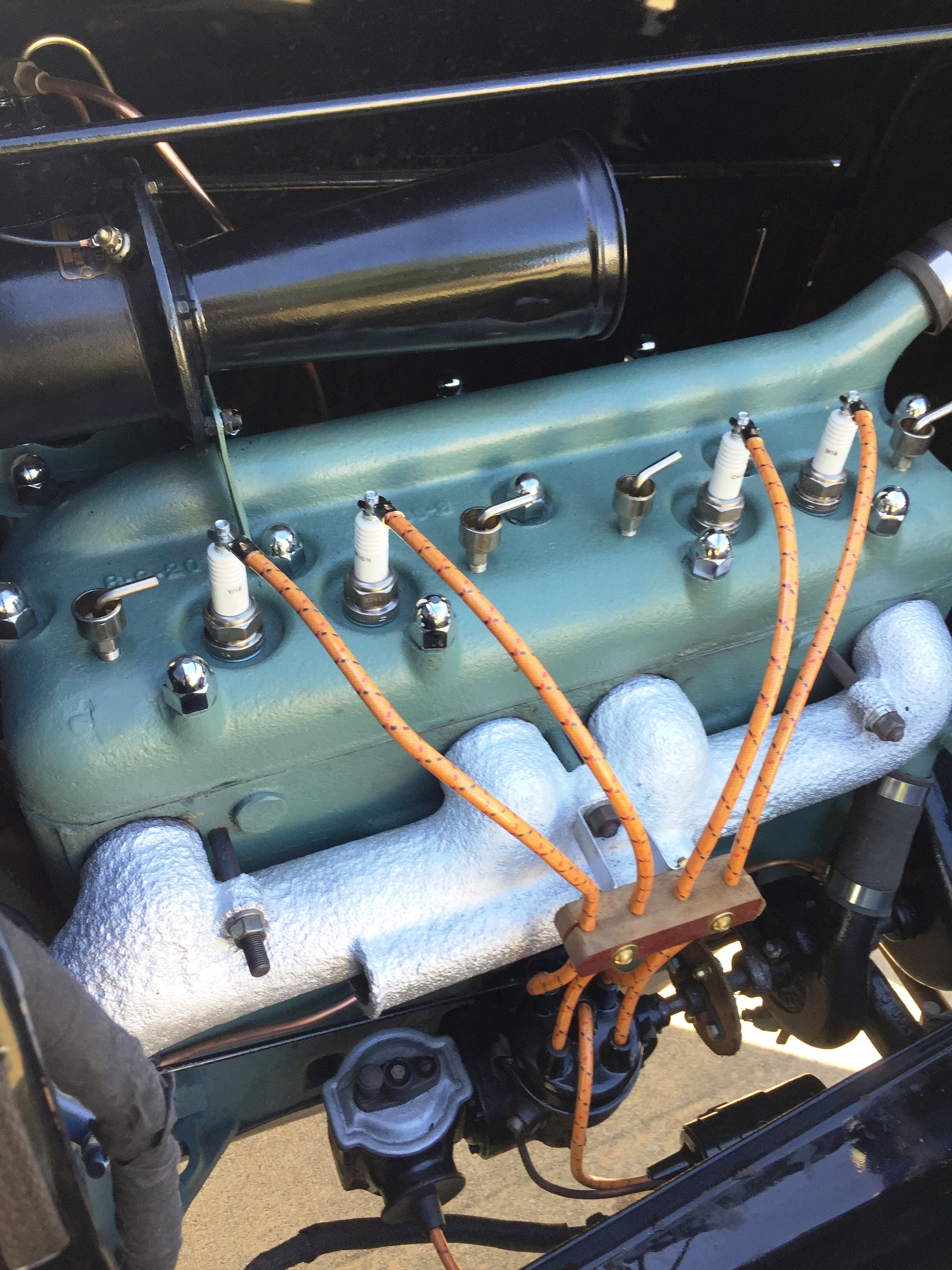
This is a 1921 Dodge Brothers Touring car, a beautiful recent restoration and has excellent gloss black exterior paint and black and tan interior upholstery, also very well appointed. Engine runs great, has aluminum pistons, fresh tune up components (rotor, cap, coil, spark plug wires, spark plugs, fan belt, etc.). All three forward gears shift smoothly, clutch operates nicely and the gauges all function normally. The 33″ tires have some age cracks but have excellent tread, to include a fully aired up spare tire. All original with only a handful of exceptions, and the brakes work great and it cools well. A very nice original car.


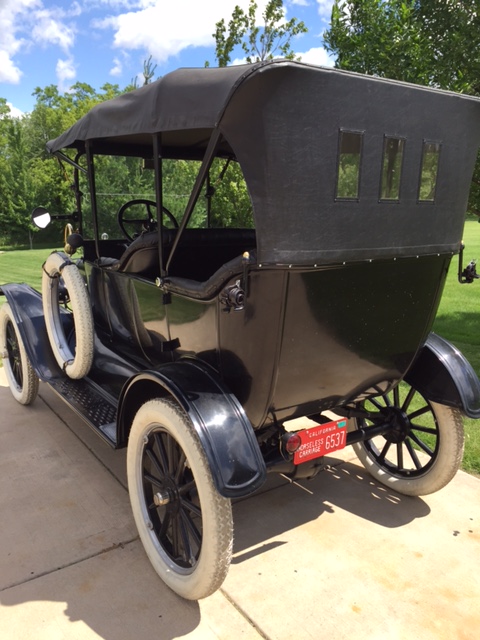
1919 Ford Model T Touring – sold
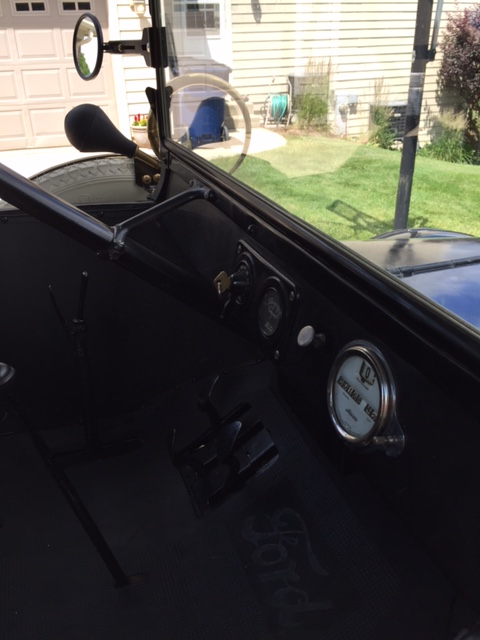
This car was obtained from a car museum near Sacramento, CA and has virtually no rust anywhere owing to its long time residency on the West coast, where the only salt on the roads is from somebody spilling their McDonald’s french fries from time to time. This 1919 Ford has had a recent radiator replacement along with a functioning era correct Stewart speedometer. Included is a two-speed Ruckstell rear end, which effectively gives this formerly two speed car an additional two forward gear ratios.
New Firestone all-white tires including a side mounted spare give this all-black car a ‘tuxedo’ appearance, and the top and upholstery are relatively fresh. 
1928 Dodge Brothers Standard 6 coupe – sold
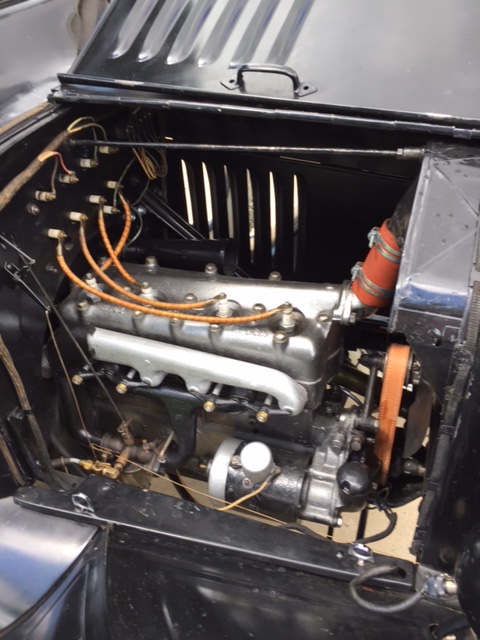
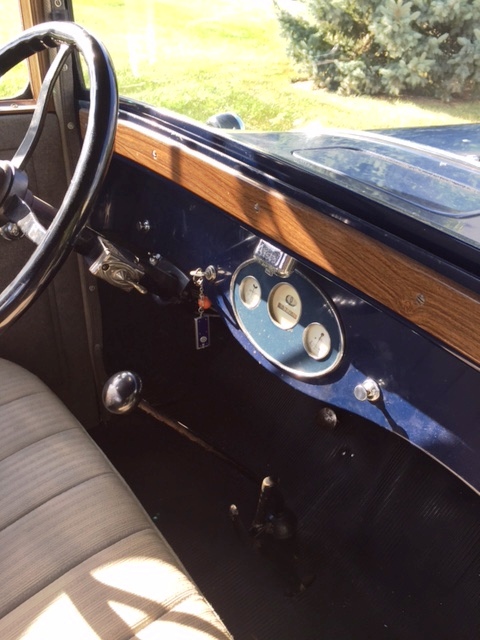
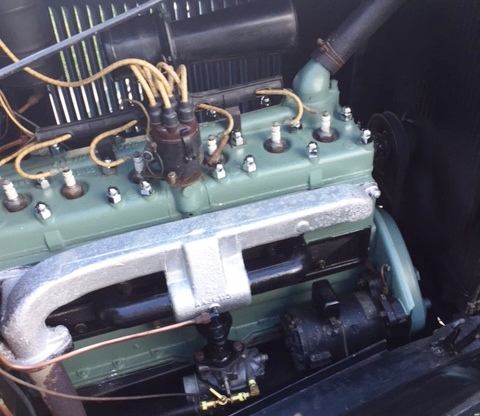
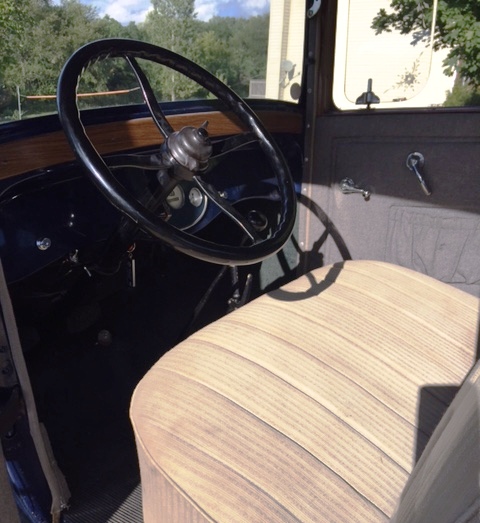
These cars were sold to compete against the more popular Ford Model A’s back in the day, and their primary feature that garnered interest in these cars was the larger more powerful straight 6 cylinder engine. This particular car was recently pulled out of an approx. 10 year storage period, and now starts and runs well. This is an older restoration, perhaps done in the late 1970’s or early 1980’s, and the enamel exterior paint is cracking and checking in several places, and the chrome is starting to degrade to a point but its appearance is OK for its age.
This car is currently stored in my Dekalb, Illinois storage facility and can be viewed by appointment.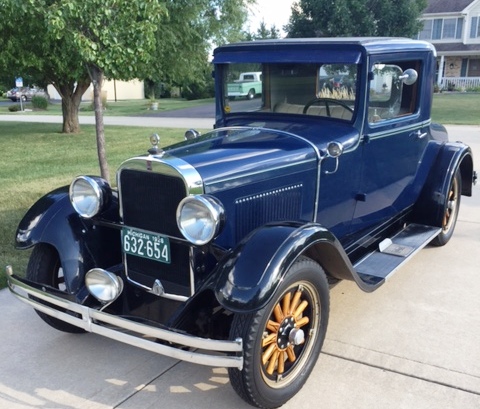
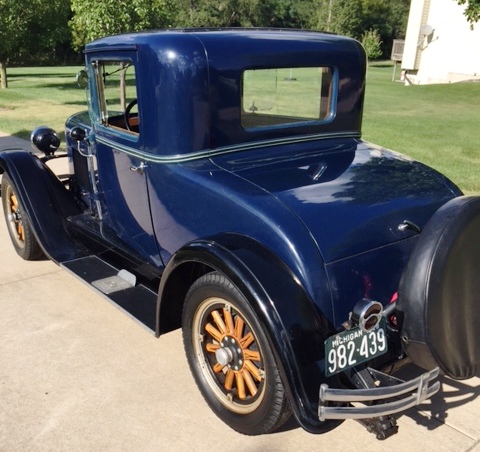
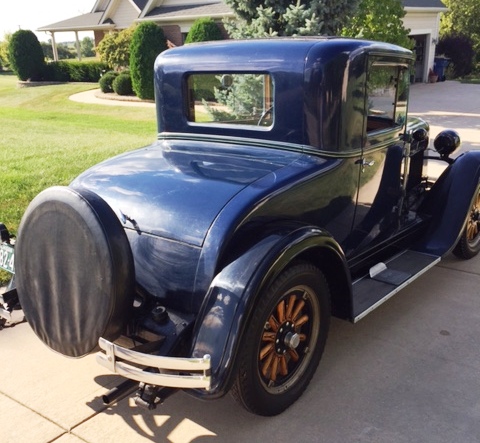
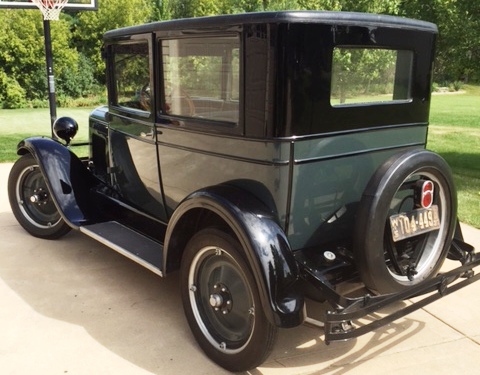
1927 Chevrolet Capitol Coach – sold
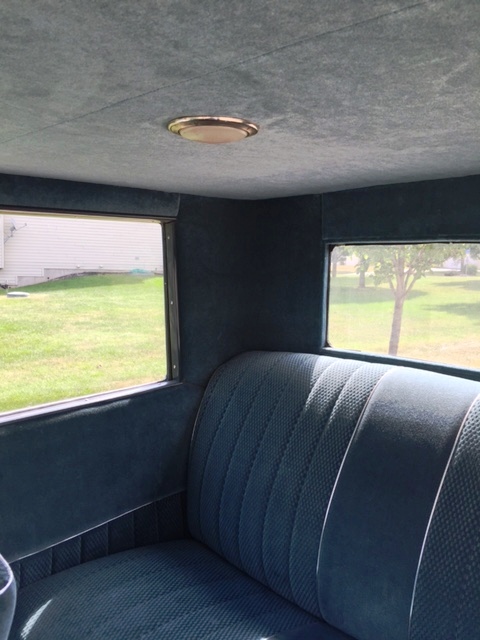
This nicely restored car has beautiful paint and well appointed interior. The carburetor has been recently rebuilt, and has virtually no rust anywhere. Car is in my storage facility in Dekalb, Illinois currently, and can be viewed via prior arranged appointment. 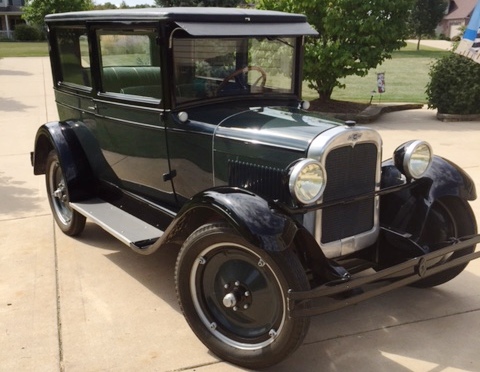

1918 Ford Model T Touring – sold
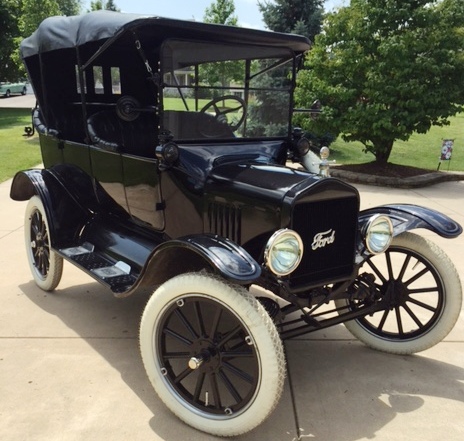
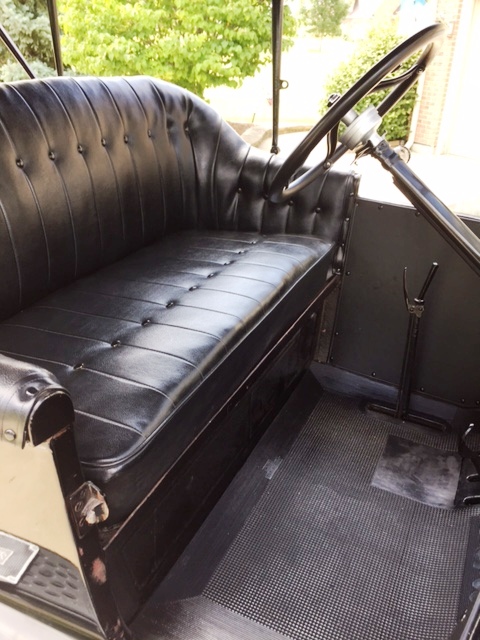
I recently purchased this car from a private party near Dearborn, Michigan and at the time it was a hand-crank start model; no electric starter. I added the starter, along with rebuilding the magneto and freshened up its look with new Wards Riverside all-white tires, including a side mount spare. This ‘tuxedo’ package gives this all-black car a nice appearance to go with its new top and upholstery.
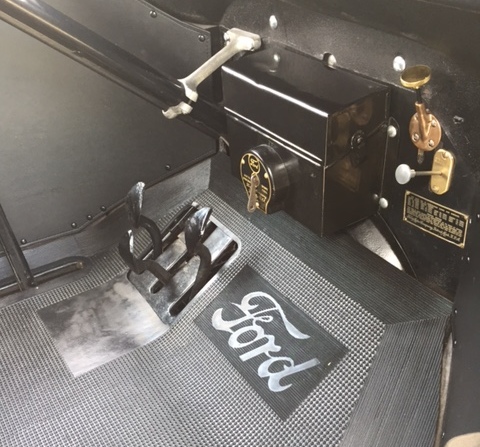
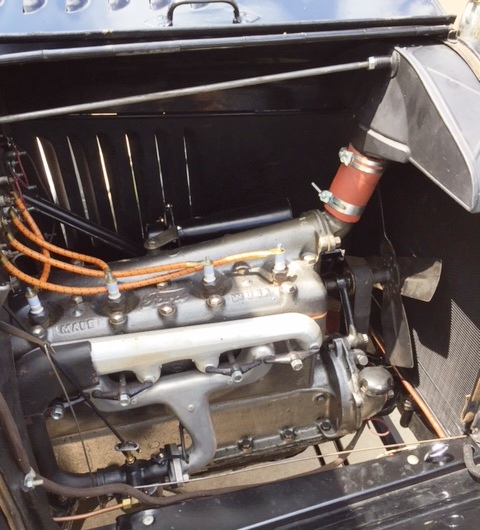
Also included in this restoration are a new radiator, added battery box and fresh 6-volt battery, rebuilt coil box and freshly rebuilt coils. When I was installing the magneto, I noticed that the former owner had installed fresh aluminum domed high compression pistons, a high compression head and a high volume aluminum intake manifold: instead of the standard 22-horsepower engine, these modifications would generate approximately 28 HP, giving it a real noticeable hill climbing capability and a slightly higher cruising speed ( approx. 42 mph). This car was initially sold in Chehalis, Washington and still retains the dealership tag affixed to the floorboard. Because of the lack of salt on west coast roads, this car has virtually no rust anywhere. 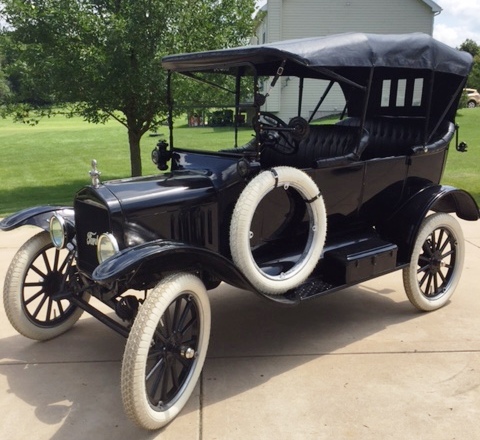

1931 Ford Model A Deluxe Roadster – sold
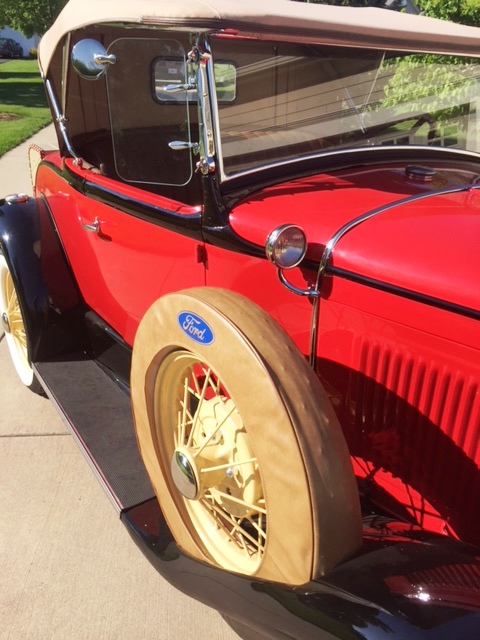
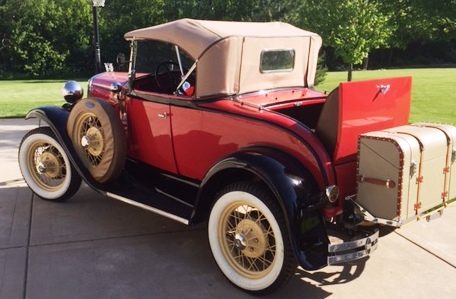 Just recently restored is this beautiful specimen of the last year of the Ford Model A, and this car is the most popular of them all, the deluxe roadster. Purchased in unrestored but complete condition, a frame-off restoration was begun last year in September, and after approximately 500 hours of labor, it is at last finished. Most of the high end costs involved restoration of the stainless steel and chrome original components, an engine rebuild along with new under carriage sheet metal, fresh upholstery, top and white wall tires. The client selected the colors, to include the Vermillion red body, tacoma cream wire wheels and brown and tan upholstery and trunk. On paper, these selections were not the ones I would have chosen initially, but as it turned out it is a stunning look to a popular classic car.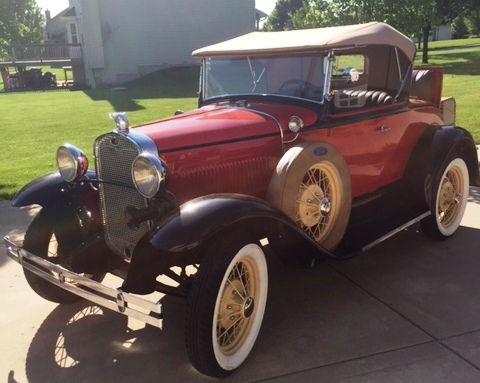
1916 Willys Overland Model 75 Touring – sold
1916 Willys Overland Model 75 Touring car, rust free 100 year old vehicle which spent much of its life in Utah and Texas. Much has been restored recently and some of the features of this car include:
- Upholstery
- Engine – new aluminum pistons, recent re-build
- New Firestone tires and tubes
- Fresh convertible top
- Freshly sealed gas tank – lifetime warranty to buyer (non-transferrable)
- Clear Texas title
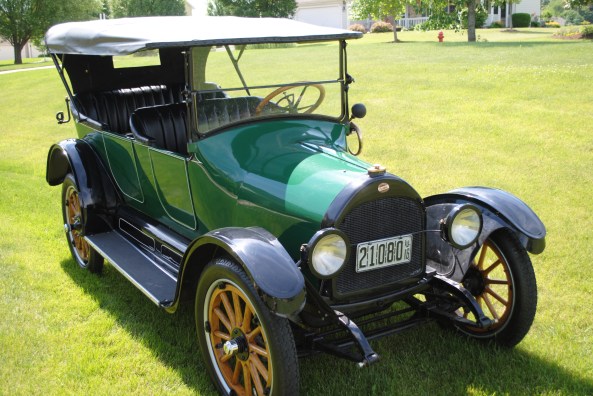 The overall condition of the car is very good, with most of the components either in good original condition or restored in the recent past. The previous owner(s) installed modern fuse box with modern circuit breakers for each circuit on the car, along with a main circuit breaker. While not original, these improvements to the electrical system make the car more reliable for touring. Additionally, the original glass windshield was missing, and has been replaced with new safety glass.
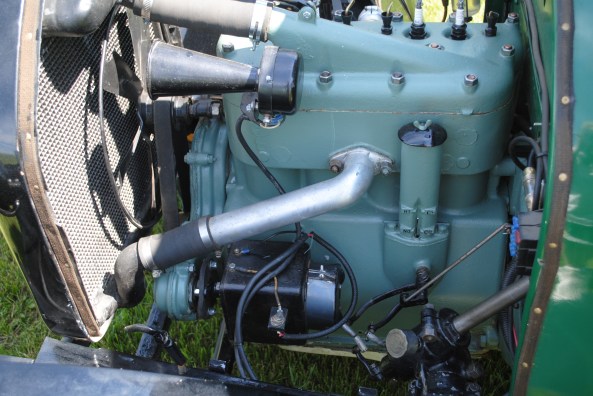
 The vehicle had a cylinder head gasket leak when I purchased it a few months ago, and I removed the cylinder head to determine the cause. It was at this time that I noticed the new aluminum pistons which had no carbon build-up, and the honing marks were still visible on the cylinder walls, verifying that the engine had likely just been rebuilt and the rings had not even seated yet.  I would conclude that the car has not been driven since the engine was re-built, and no cylinder head gasket sealer was used on the new copper gasket, which some mechanics swear is the correct way to install these gaskets. I am a firm believer in Perma-Tex high temperature copper gasket spray, which I applied liberally to both sides of the gasket and re-installed. It corrected the leak, and the engine runs fine.
I would conclude that the car has not been driven since the engine was re-built, and no cylinder head gasket sealer was used on the new copper gasket, which some mechanics swear is the correct way to install these gaskets. I am a firm believer in Perma-Tex high temperature copper gasket spray, which I applied liberally to both sides of the gasket and re-installed. It corrected the leak, and the engine runs fine. 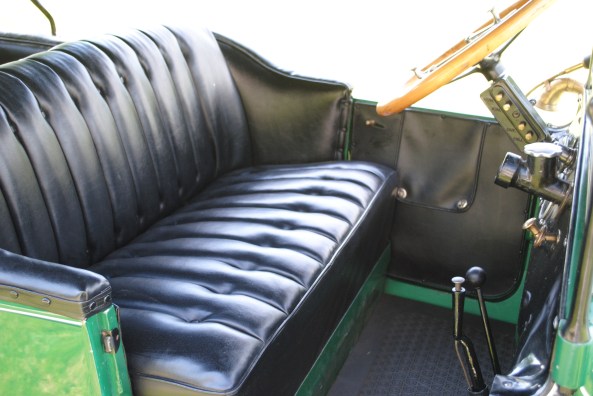
1924 Chevrolet Superior – sold
1924 Chevrolet Superior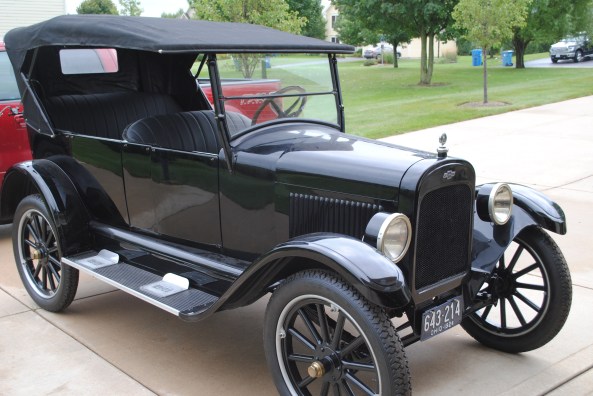
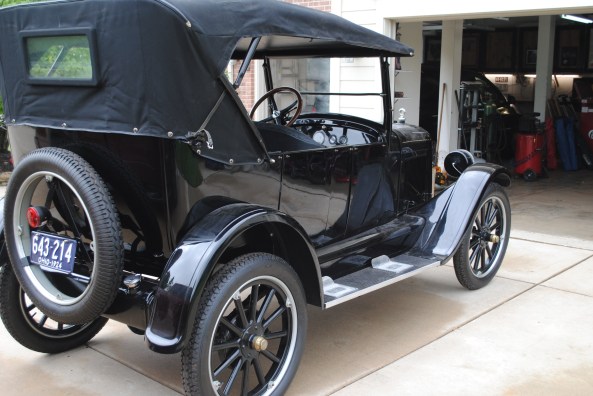
I sold this car to a Florida client in mid September, 2016. I have gotten this 1924 Chevrolet Superior running and took it for a test drive of around 12 miles, and it performed admirably, other than the ancient transmission is very tricky to shift. I started getting the hang of it towards the end of my test run, and with some stick time I think I would had it down pat. Up to this point, I had gotten the aesthetics done a few weeks ago and ran it around the block, perhaps half a mile, to see what happened: all the 4 gears worked (reverse and three forward), the brakes were OK and all of the electrics worked, with the exception of the horn button at the top of the steering column – I could not figure out how to extend the wire through the steering column. Nobody within the Chevrolet antique club had any clue, as none of them had this model, so I simply added a horn button at the bottom of the dash. The future owner can figure this out, not a deal killer in all likelihood, as the horn works, but just not as originally configured by Chevrolet in 1924. Additionally, the speedometer does not work, but all of the components are intact and present. Likely the link cable is badly worn, these link components are hard to find, but are out there; it just takes time to track them down.
A few weeks ago, I ran this car on the road for the first time in perhaps 30 years, the engine overheated quickly and it ran poorly, even though I had re-built the engine and carburetor a few weeks before. I determined that the original radiator needed to be rebuilt along with a poorly re-sealed gas tank which turned the gasoline a red color, and the sample I drew into a clear jar looked like strawberry Gatorade. Both radiator and gas tank were re-done by professional shops (not cheap), and I am confident the way it runs now that these issues are behind me.
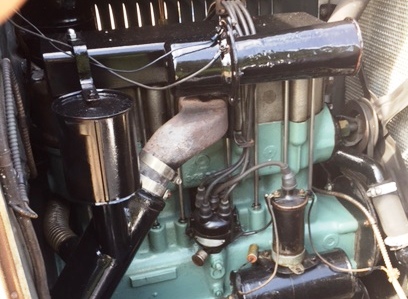
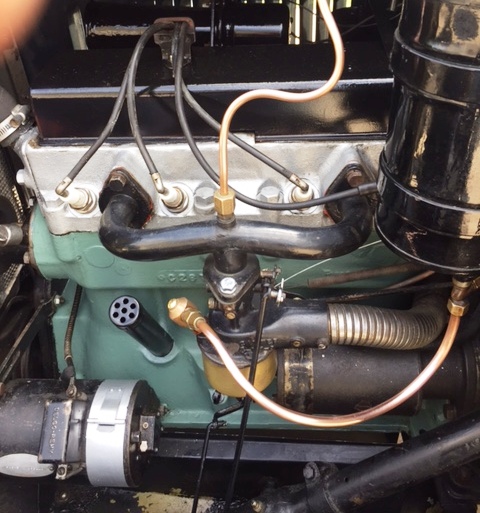
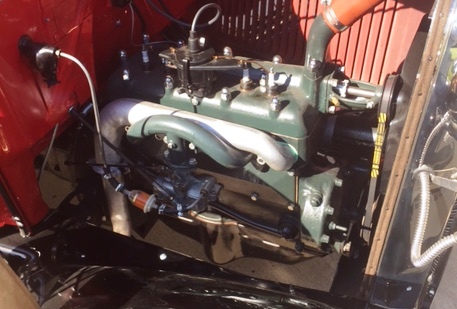
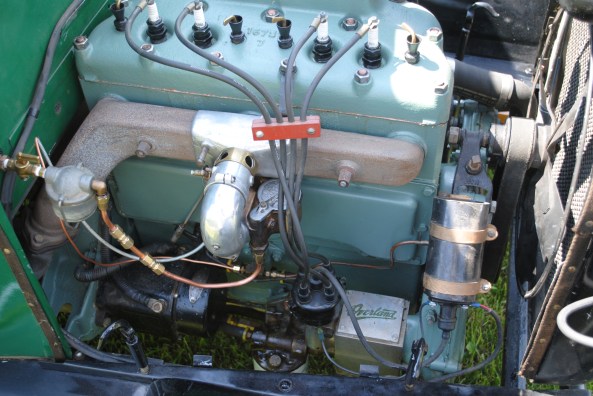
- Engine: This engine is an overhead valve motor, and was one of the earliest overhead valve engines on the market, all other cars of the era continued with the ‘flat head’ configuration (of which your 1916 Overland is a prime example); it was manufactured one year before Chevrolet started putting valve covers over the valve train, and it has exposed rockers, push rods and springs. You will notice that this engine is gray-green, which was the factory engine color of most of the major car manufacturers of the era to include Willys Overland, Chevrolet,
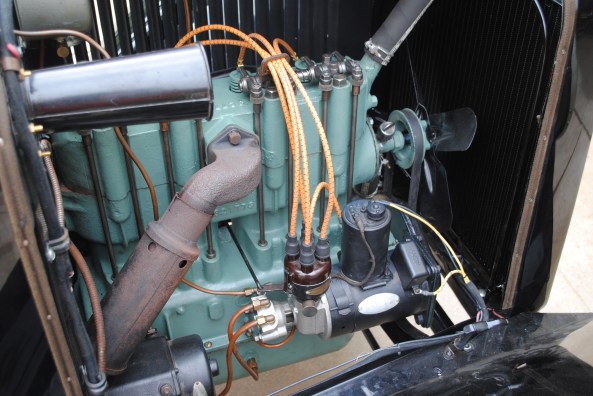 Dodge Brothers and Oldsmobile along with a few others. It requires being kept clean, and needs oiling after every 50 miles of operation. A drop of oil at the hole on the top of each rocker arm, a drop of oil on the rocker arm at the top of each valve stem, and the felt washers need to be saturated with oil. Yes, a pain under normal circumstances, but considered just part of the driving experience back in the day. The original oil can is present on the fire wall. I disassembled the engine down to the crankshaft and felt that it was in relatively decent condition overall. The cast iron pistons in the car were stamped .003” on the top of each, and I was not able to find .003 rings for it, but rather found .005” NOS oversize rings for it, honed each cylinder to facilitate the new rings to seat properly, and hand filed each ring end down to .003” and hand fitted them so that the compression is now excellent. I also installed new ignition components, to include spark plugs, wires, cap and rotor, and hand lapped each valve, adjusted the Babbitt bearings to within .015” clearance on rods and mains, reassembled and it runs very well now.
- Clutch: The clutch was very grabby on the initial run, as it has a leather lined conical clutch assembly common in the era. I applied liberal amounts of leafsfoot oil to the lining, and now the clutch is much smoother, and will become ever smoother with additional mileage put on the car.
- Interior: the previous owner (‘grampa’) had installed a professionally done convertible top and genuine leather upholstery, which are in great shape. From my best guess, this was done in the early to mid 1990’s by ‘grampa,’ and when grampa passed at that point of its restoration, the car was kept in a temperature controlled shop (which looked more like a 1930’s era gas station), for approximately the next 20 years, until I purchased the car from the son at grampa’s compound in Columbus, OH. I have all of the restoration photos in an album, which contains more than a hundred photos of every step of the process grampa went through, and it was a frame-off process.
- Tires: the tires on the car when I purchased it 5 months ago had no mileage on them, but were approx. 20 years old and had age cracks present, so before it would be considered road worthy, I replaced the four tires with new Firestone tires, and kept the best condition original tire as a spare. All are inflated to 50 psi, and with the exception of the minor age cracks in the sidewall of the spare, are good to go.
This car to the casual observer looks much like a Ford Model T (any color you want, as long as it’s black, as ol’ Hank Ford quipped), with the obvious exception of the blue Chevrolet ‘bow tie’ radiator badge. Unlike the Ford Model T, however, the Chevrolet was built much stronger than the Model T, and could survive a moderately severe crash intact, whereas a Model T would have been completely demolished in a similar impact. This car is about 18” longer wheel base, larger front and back seat area, and weighs about 500 more pounds than a Model T; all in all a larger, sturdier car, in addition to a faster car, with three forward speeds rather than the Model T’s high and low forward gears only.
Not many Chevrolets have survived from this era, as Chevrolet made much of the interior structure of wood, (of which was all replaced in this car by grampa in the early 1990’s), as most Chevrolets rotted away and were crushed and used for scrap metal in the metal drives of World War II.
1911 Ford Model T 3-Passenger Runabout – sold
|
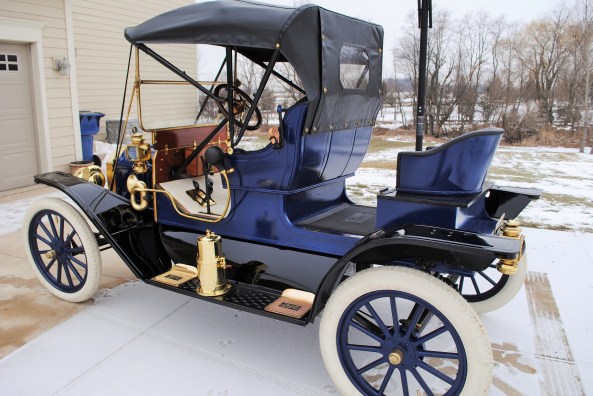
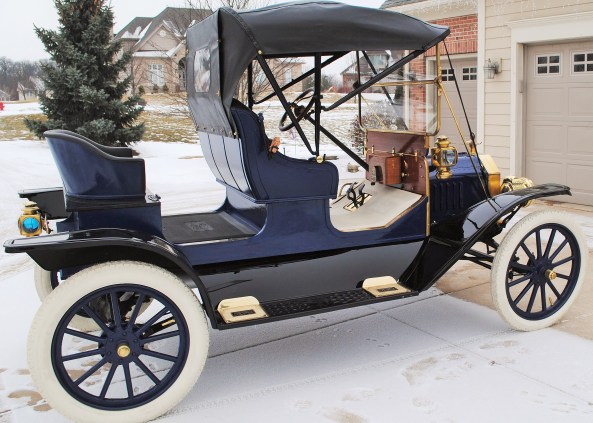
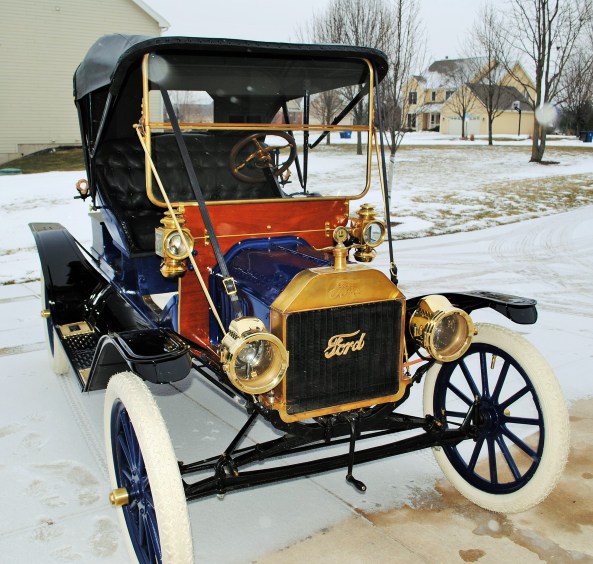
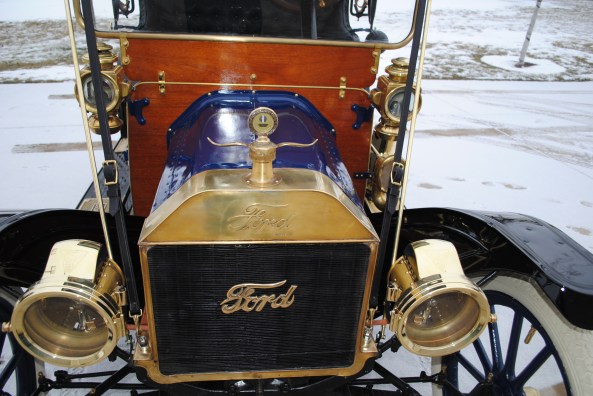
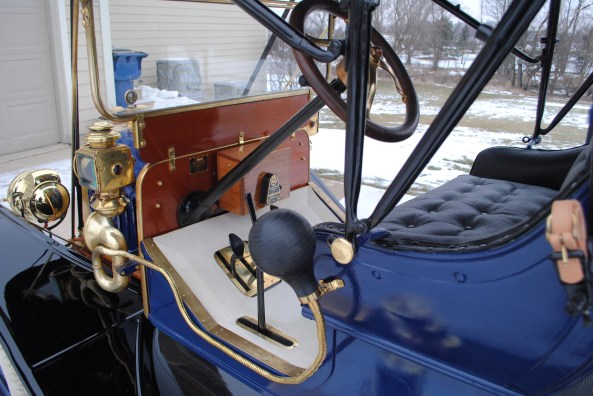
1911 Ford Model T 3-Passenger Runabout, also called a Roadster with ‘mother-in-law- seat. This 105-year old car has a clear valid State of Wisconsin 1911 vehicle title. Frame off restoration completed on January 21, 2016.
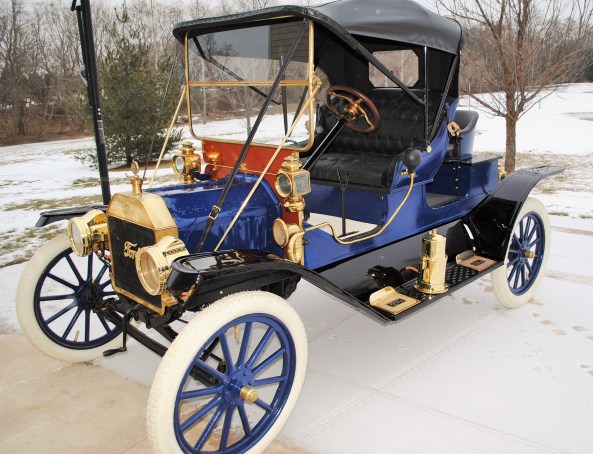 I purchased this car from a dealer in Minnesota last year, and it was in exceptionally rough shape. Much of the car was original, and accordingly quite a few components were no longer functional such as the upholstery and other worn out parts. In order to get this car into road worthy condition, the following were some of the major purchases to restore this car to era-correct and road worthy condition: I purchased this car from a dealer in Minnesota last year, and it was in exceptionally rough shape. Much of the car was original, and accordingly quite a few components were no longer functional such as the upholstery and other worn out parts. In order to get this car into road worthy condition, the following were some of the major purchases to restore this car to era-correct and road worthy condition:
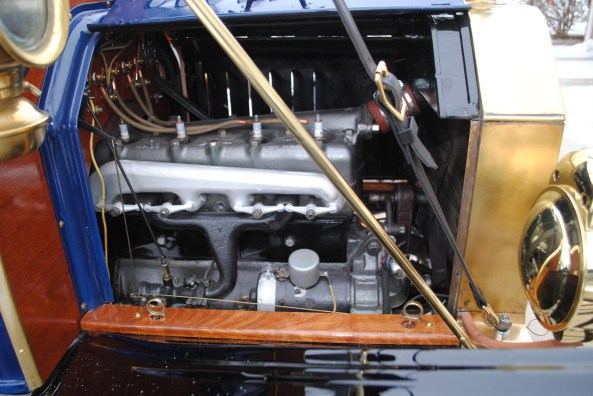
A previous owner had replaced the original 1911 engine with a Ford Model T engine manufactured in 1919 which allowed addition of a 6 volt generator. Car has been wired to allow night operation with electric headlights and tail light. Original E&J side lanterns have not been converted to 6 volt electric operation, and can be filled with lamp oil and lit.
      |

