1908 REO Model B Runabout
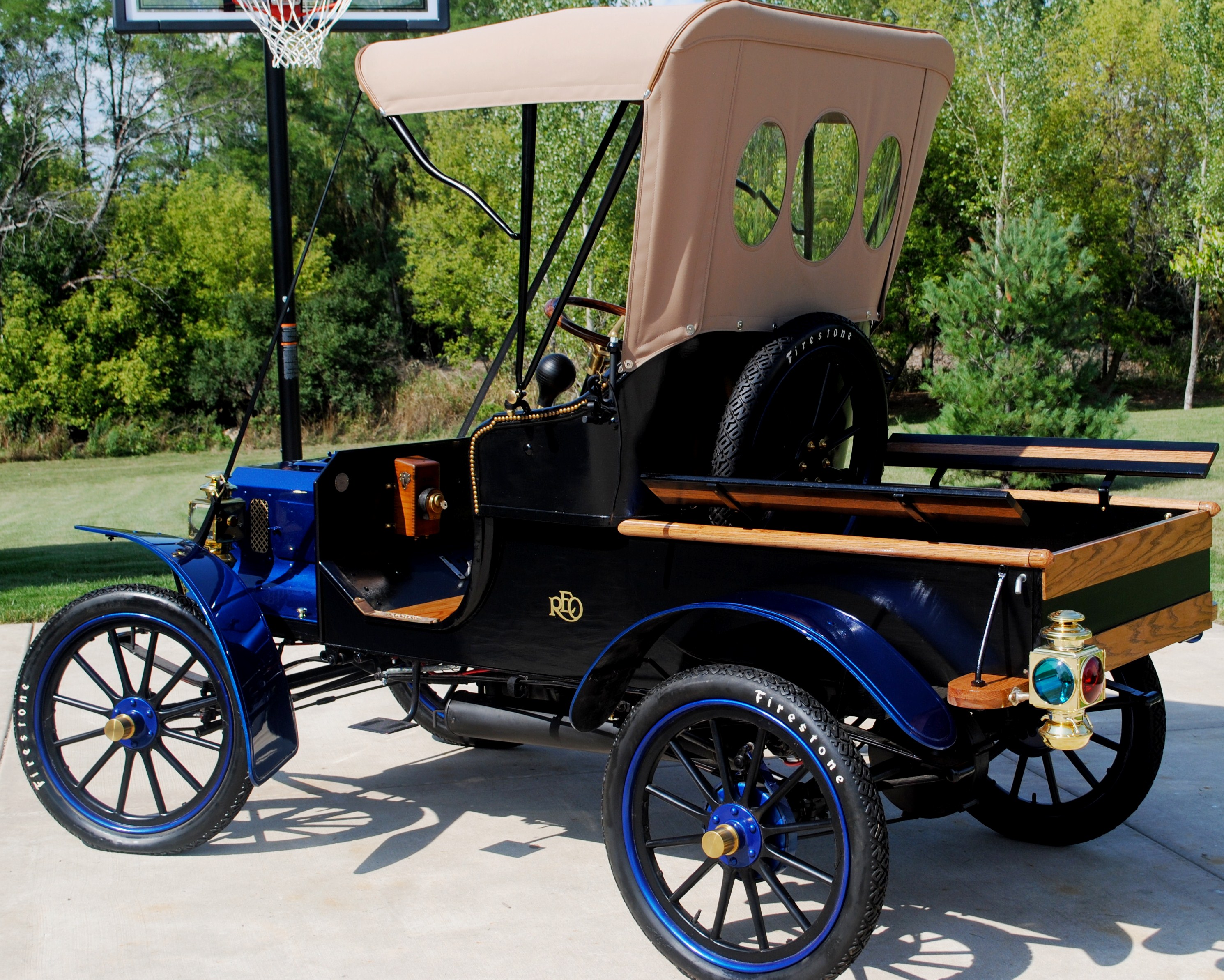
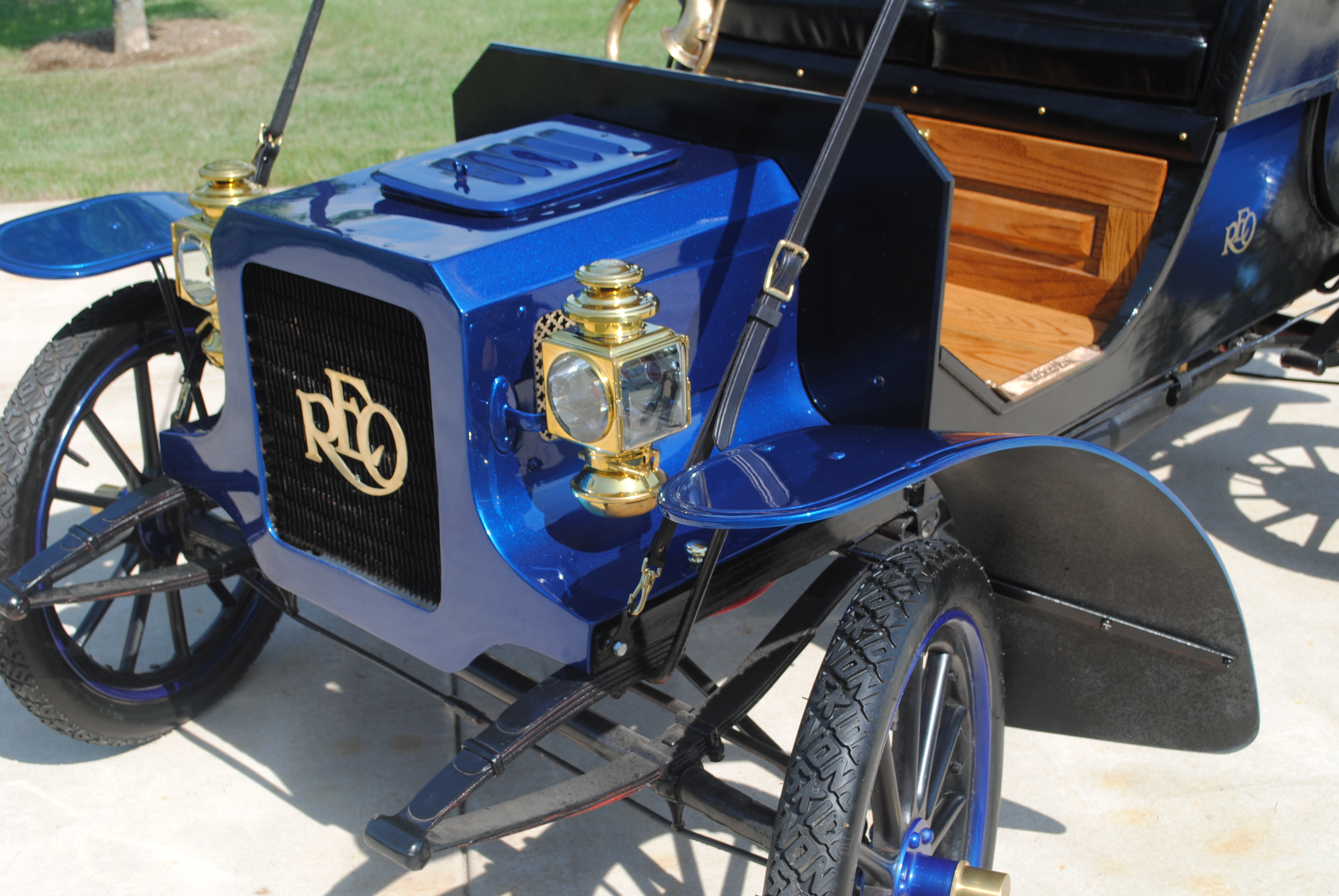
This spectacular specimen of Ransom Eli Olds’ second attempt at car manufacturing with his new company, REO Motor Car Company, following his abrupt departure owing to irreconcilable differences with the management of his first company in 1904 (Oldsmobile), is nearly 100% original as built in the fourth year of production, with the first REO’s available in 1905. 
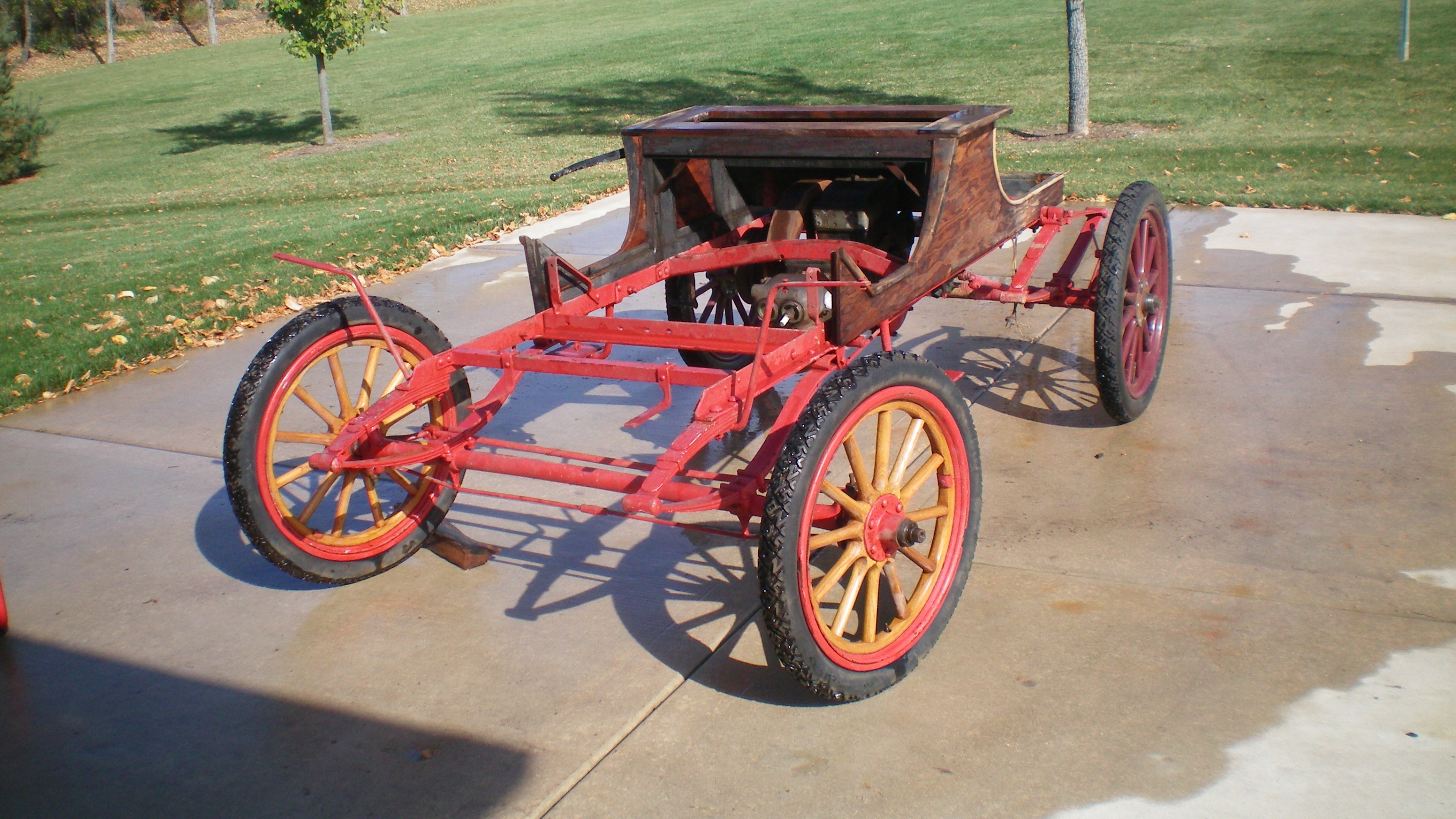
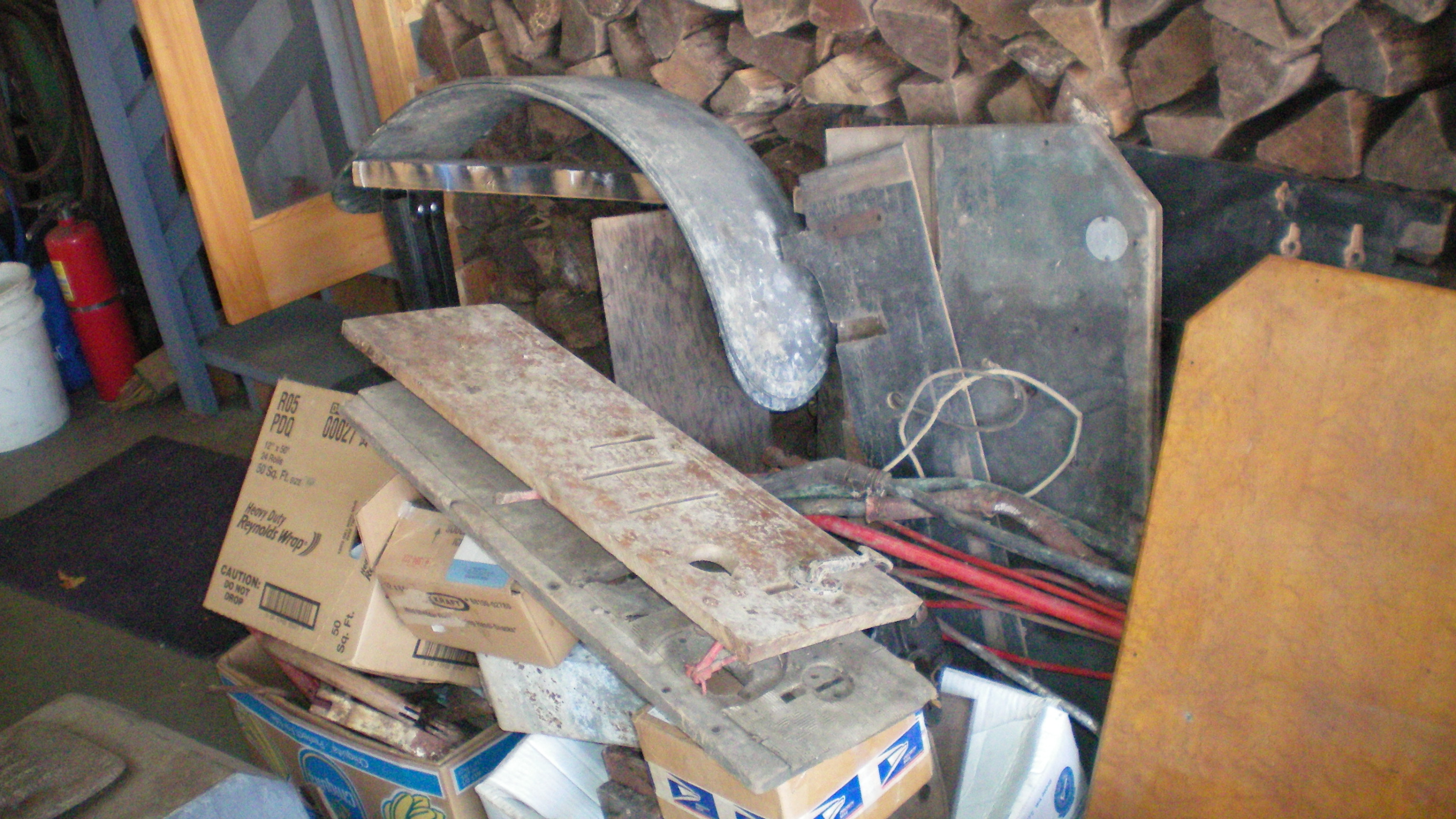
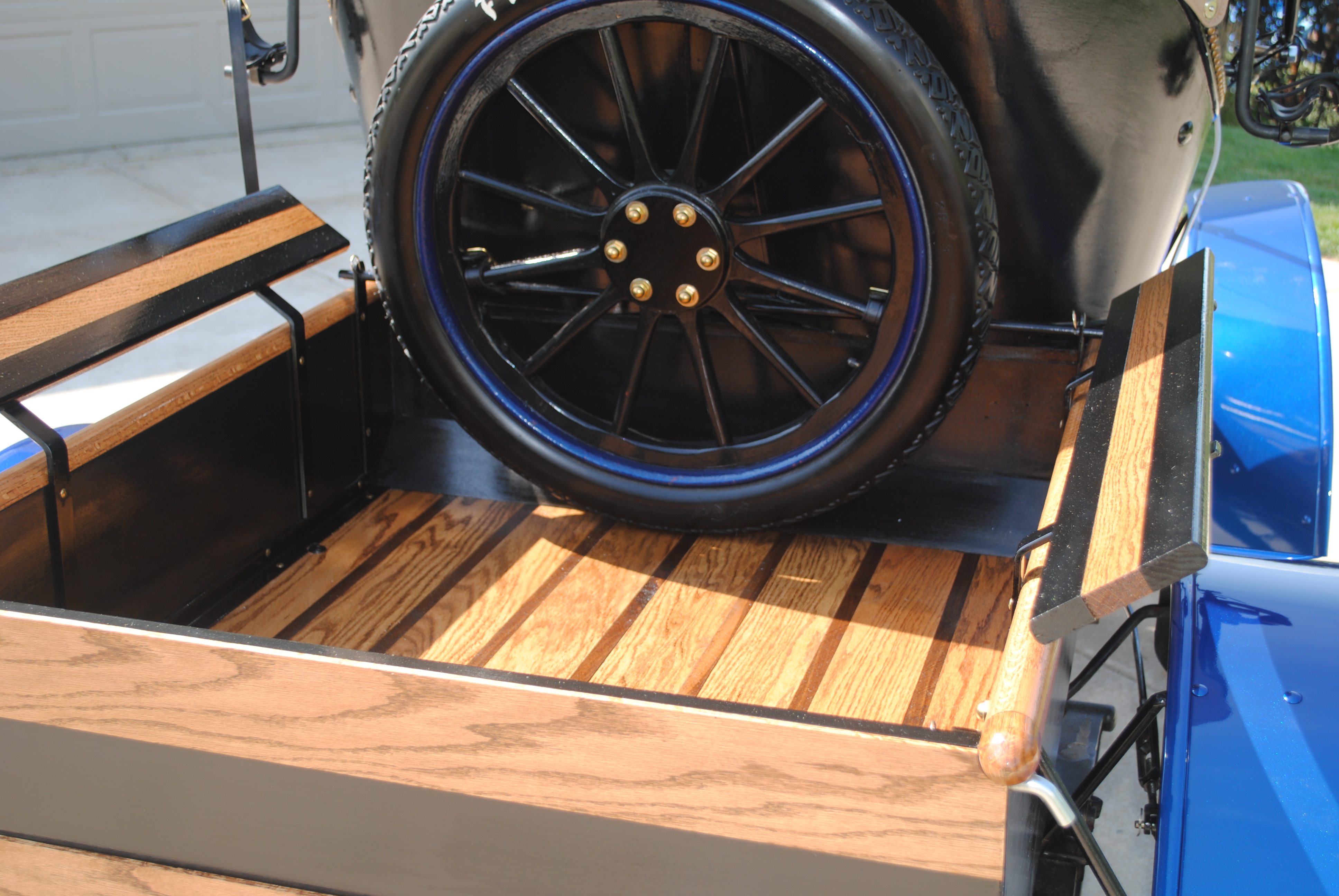
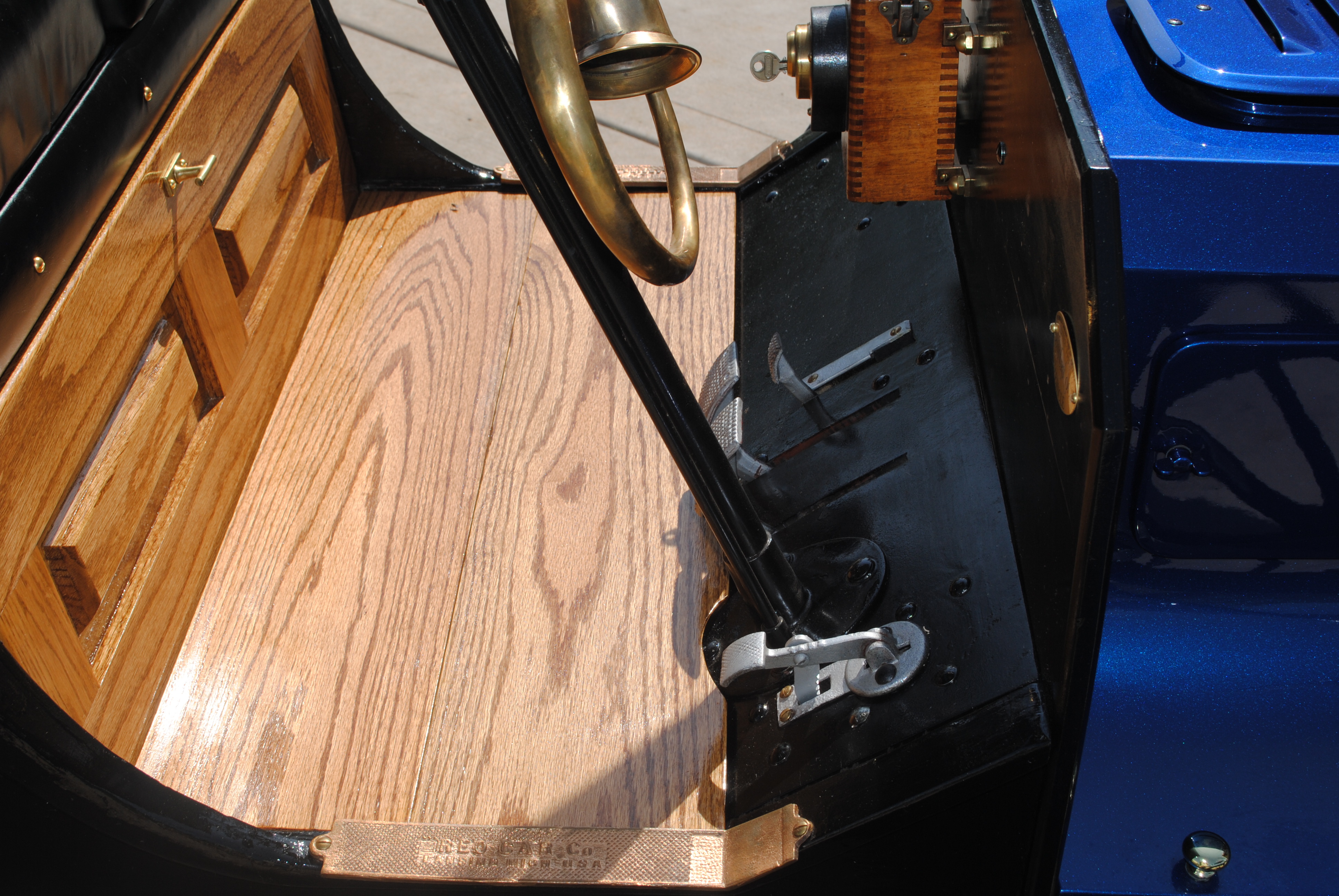
After it had been driven into a Milwaukee, Wisconsin collector’s garage in 1992, this car sat for another 19 years before I bought it in fairly poor condition and began the restoration process around the first of June, 2011. Most notably, much of the wood on this car was in profoundly poor condition, but the seat tub and seat pedestal, engine cover and 45 degree angled floor board were salvageable. The firewall, running boards and horizontal floorboards were warped and delaminated beyond restoration, and had to be replaced.
The first task was to get the car rolling, as the existing tires were destroyed during its storage and were cracked, flat and rock solid. I had to cut them off with a hacksaw, and I repainted the snap rings, rims and spokes along with the hubs, and ordered new 28” x 3” tires. The front wheel bearings looked good, and I repacked those along with the rear roller sleeve bearings. Once I mounted the newly refurbished wheels onto the frame, I could move the car around more easily in the process of the refurbishment.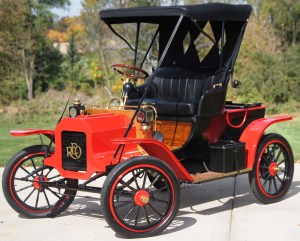
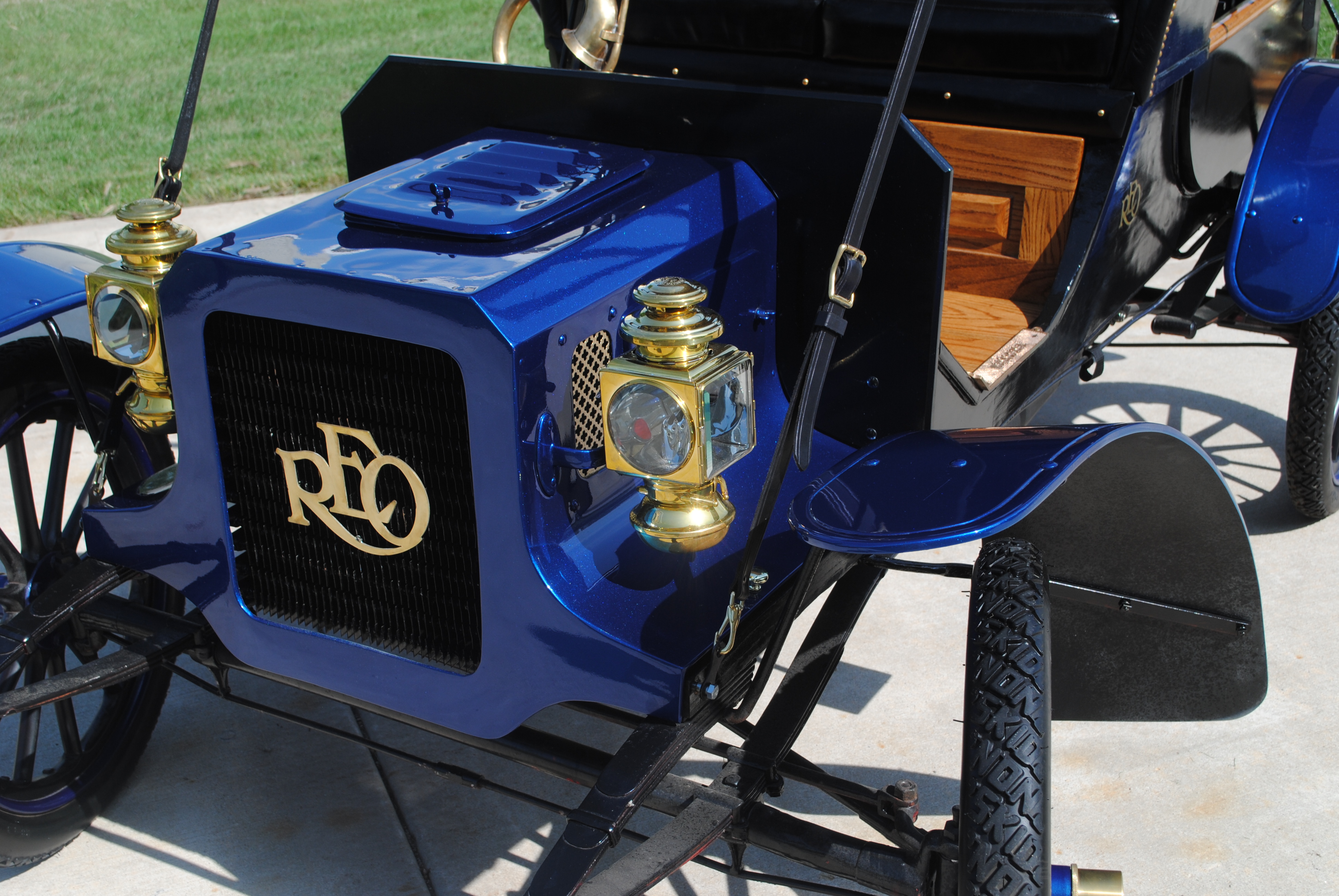
The next step was to remove the fenders from the running boards and frame, and take all of the sheet metal to a local body shop to be repaired and painted ‘Torch Red,’ a GM color that makes the car stand out significantly. I also used the old warped running boards as patterns to construct new oak running boards, and the brass edge trim was salvageable from the old boards and I polished and reattached these trim pieces to the new running boards. The original frame was painted a flat red, although it may have been gloss red back in its day, and had simply faded over the 100 years, I am not certain nor are any of my resources from the various antique car clubs of which I am a member. I have subsequently repainted the frame black, as a few of these cars had black frames originally.
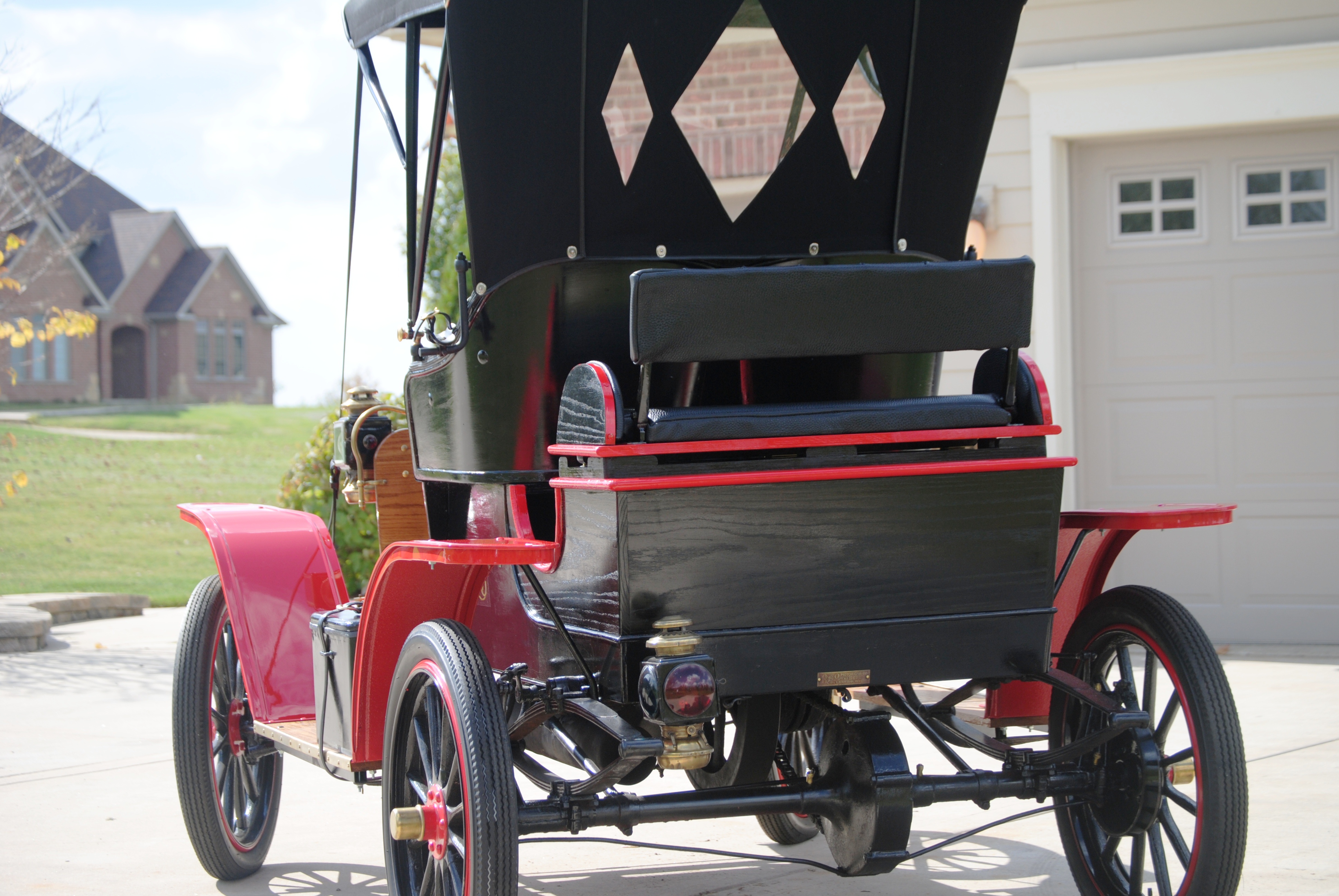
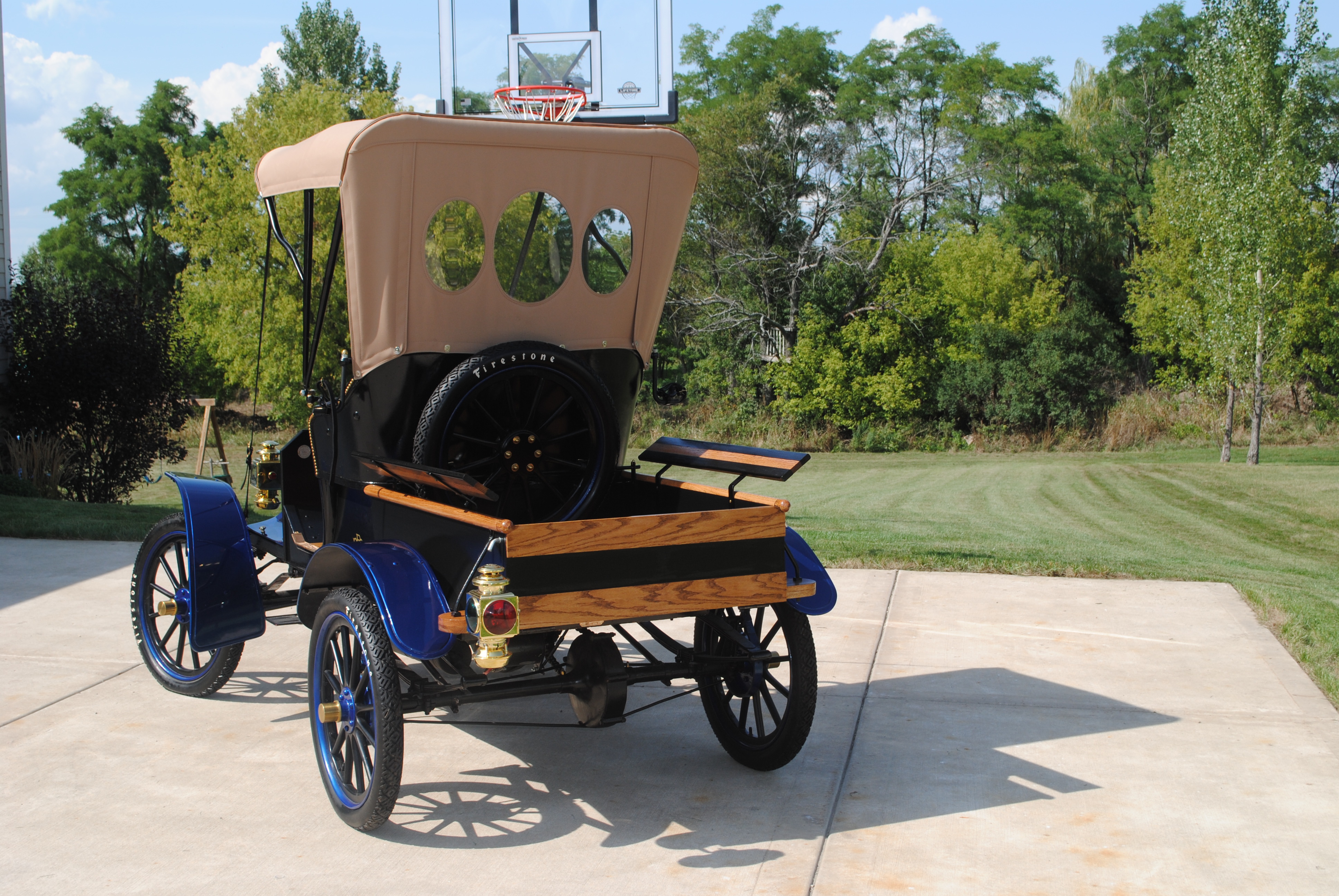
The wood seat pedestal had a significant crack along the shift handle side, owing to its structural stress of the handle attached to the wood panel itself, and I had to reinforce the inside of the pedestal and repaint the pedestal in black. The original white stenciled REO logo was barely apparent, and I replaced this with a gold REO decal along with the front brass REO radiator emblem. The car had nothing on the rear deck nor any top irons or bows, and accordingly I fabricated a ‘mother-in-law’ fold down seat using an early original yet deteriorated seat as a pattern.
The top brackets were still present in the original seat, as were the seat springs and seat tub. All were refurbished with new leather upholstery and gloss black paint. I fabricated the top bows myself, and had the new irons and bows upholstered in Stay-fast canvas, in addition to obtaining front leather straps from an antique car dealer locally. These straps were original equipment on the 1909 Ford Model T Touring and Roadster, but fit perfectly with the 1908 REO application.
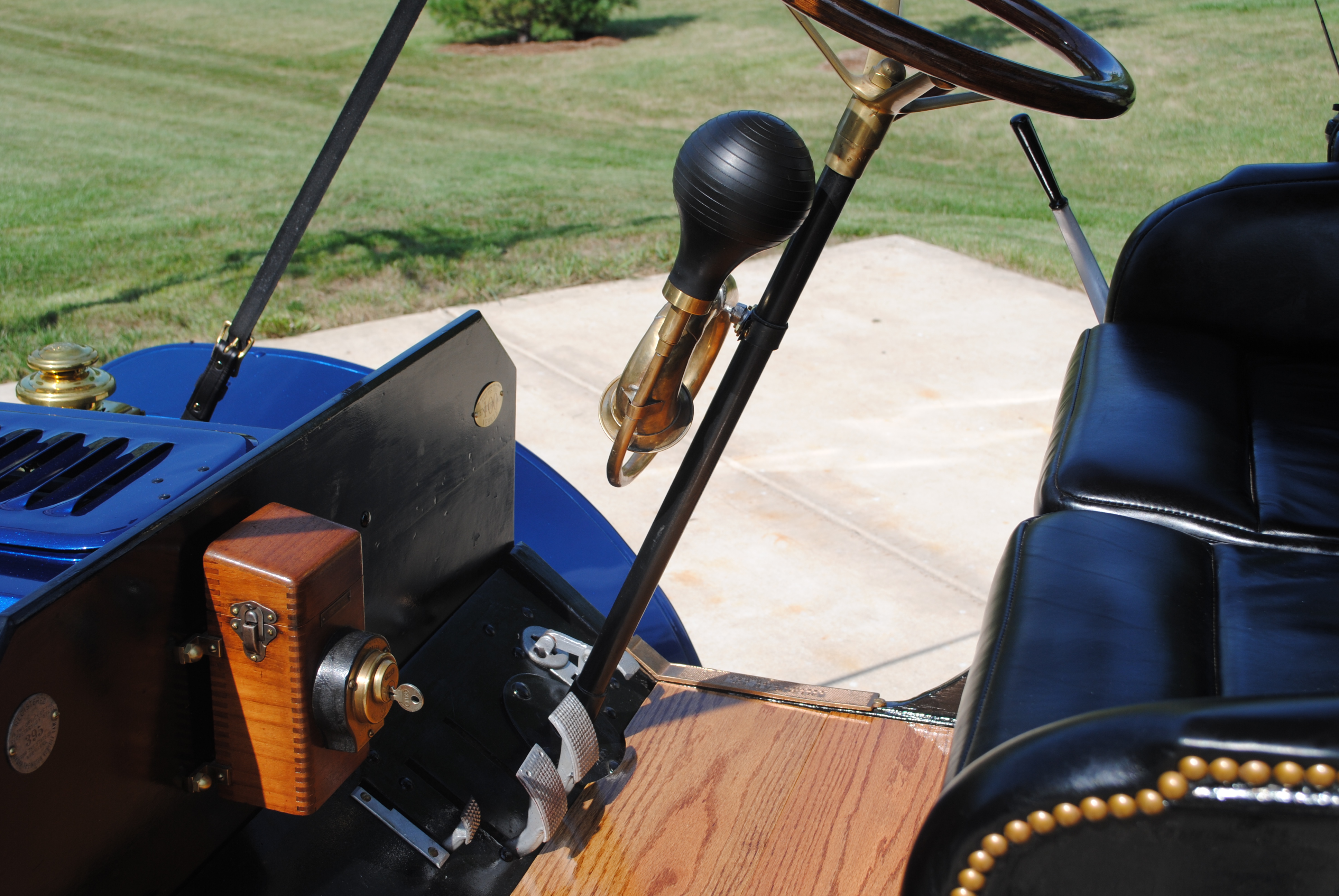
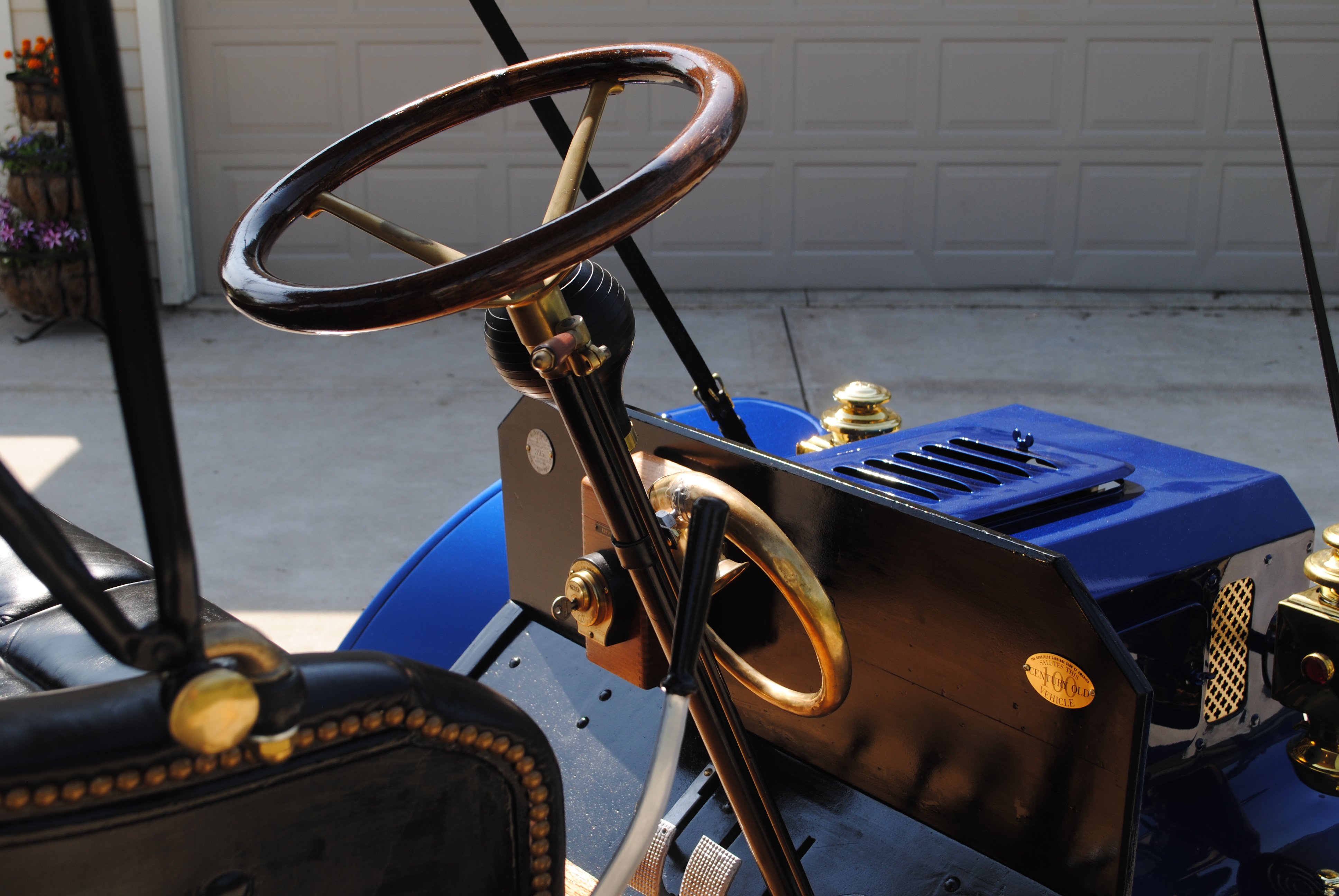
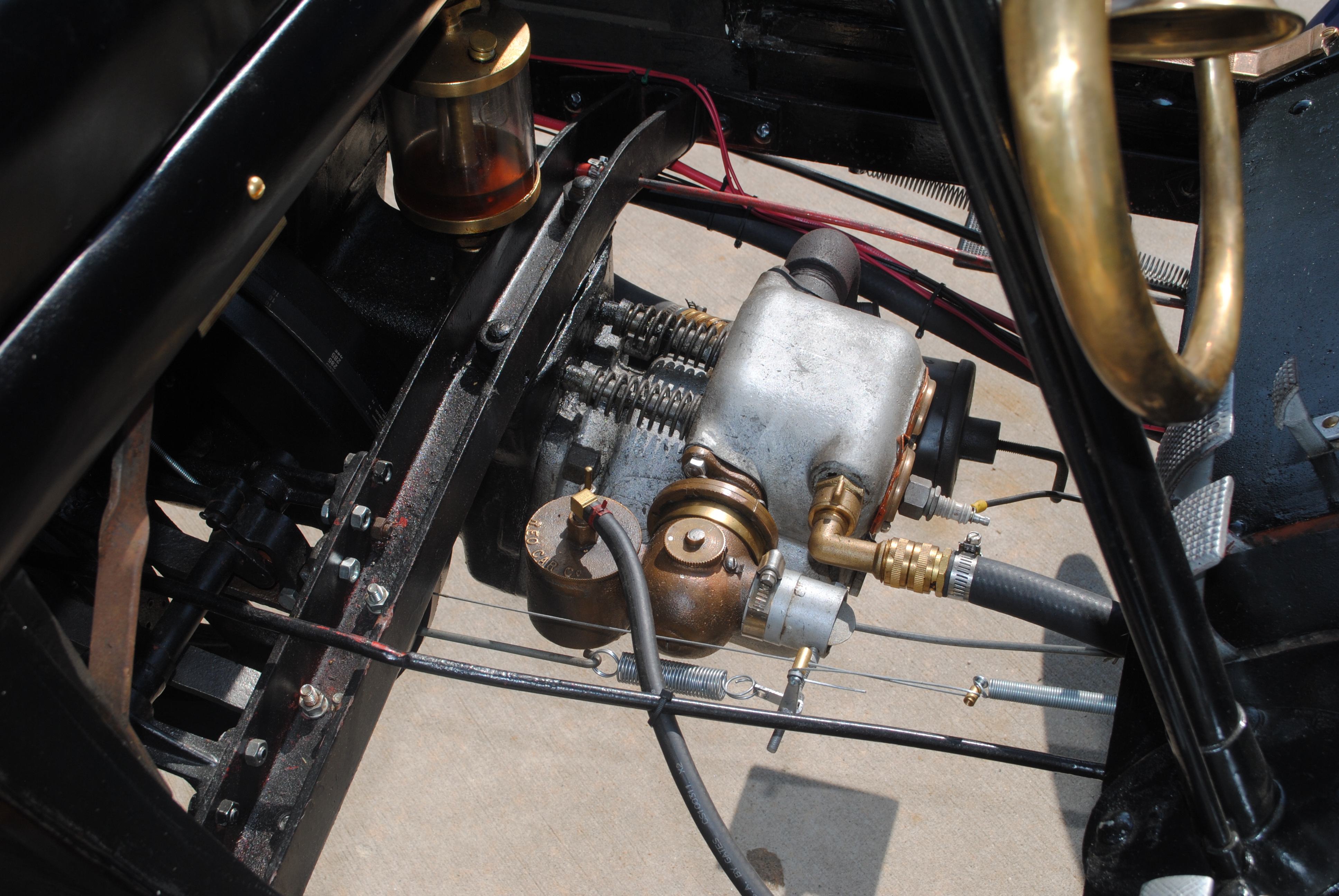
The original coil box was in rough condition, but I had it reconditioned by a retired Motorola electrical enginerr currently living in Schaumburg, Illinois along with a carburetor cleaning and reconditioned cork float. The original oiler needed cleaning and polishing, but worked perfectly in providing approximately 12 drips per minute as recommended by the owners manual, of which I have a partial copy. The original starting handle was missing when I purchased the car, and I had a working replica manufactured along with a running board mounted support bracket, and the engine started and ran very well with very little effort.
The running gear seemed somewhat worn, but serviceable, and I did not replace any of these components with the exception of the brake linings, which were brittle and worn out. The original reverse and first gear linings are still in place, as well as the drive chain, rear end, original axles, hubs and axle support rods.
The original battery box secured to the passenger (left side) running board was in poor condition, and was missing the top. I was able to recondition the batter box, and fabricated a wooden top and secured it with a leather strap. The original battery box cover was metal, but after a fruitless six month search for an original replacement, I gave up the search and made one using various photos of the original to go by. The original 1908 REO had two banks of six 1.5 volt batteries aligned in two circuits (A&B), and I replaced this configuration with two 6V batteries, each on a separate circuit and controlled by the coil box switch on the firewall. Since the spark plug is the only electrical device on the car  requiring an ele
 ctrical current, each battery can supply approximately 30 hours of running power before switching to the other circuit is required. Once both batteries are run down, a simple 6V electrical charger can recharge each battery with little effort.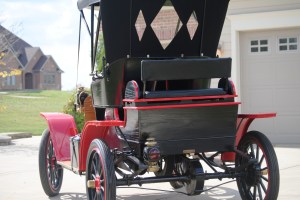
- This car was equipped with a single cylinder, 8 horsepower gasoline engine. In starting the engine, a compression relief valve was installed with a small pedal on the floor board to allow the exhaust valve to open slightly to make cranking the starting handle easier. This system is still operable, however it is not overly difficult to start the car without this compression relief system engaged. All of the original brass cooling lines are present, but the original brass fuel line had damaged connections on each end, and I could not get them to seal tightly enough to prevent fuel leaks, and I subsequently simply replaced this original fuel line with a modern flexible fuel hose and connectors. I still, however, have retained the original fuel line for the next owner, upon request. The following is a fairly comprehensive list of components present on this car that are not original, but are reasonably remanufactured to resemble original components, or were era correct:
- Top irons, bows and canvas –these were optional and not fabricated by REO, but rather by specified outside vendors. REO provided the brackets mounted inside the seats, if ordered for a top to be installed later.
- Brass horn and bulb
- Front brass radiator emblem
- Tires and tubes
- Horizontally mounted floor boards (2), originals are on hand
- Firewall, original on hand
- Stencil on seat pedestal replaced by decal
- Brass fuel line and connectors, original on hand
- Brass cooling line connectors, originals on hand
- Starting crank
- Radiator tank, original on hand
- Mother-in-law seat, this was optional and was never fabricated by REO, but was ordered from various outside vendors as an option.
- Running boards, originals on hand
- Battery box top
- Mahogany steering wheel, original on hand
- Various nuts, bolts and screws too numerous to detail
REO cars of this year had a linoleum type of floor covering originally, and I opted to simply showcase the underlying varnished and stained hardwood which REO used, rather than cover this beautiful wood with linoleum. 
The E&J side and rear lanterns came with this car when I purchased it, and I have had a spirited debate with several members of the REO Club of America as to whether these were original or not in 1908. These lanterns were weathered to the exact same extent as the rest of the car, and the 1908 patent pending label embossed into the tops of each suggests to me that these were original to the car, although the debate rages on.
Although I may have unintentionally omitted a few minor components which have been replaced, the rest of this car is as it came from the REO plant in Lansing, Michigan when it was completed in 1908, and accordingly I would assign an approximate original component ratio at 98%, although this figure can be debated either based on total weight, total volume displacement of each component, or simple number of components vs. total number of components originally present.
Refurbished by Steven K. Angvick from June through October, 2011. Sold on November 7, 2013
oldmotorsguy@yahoo.com
oldmotorsguy.com

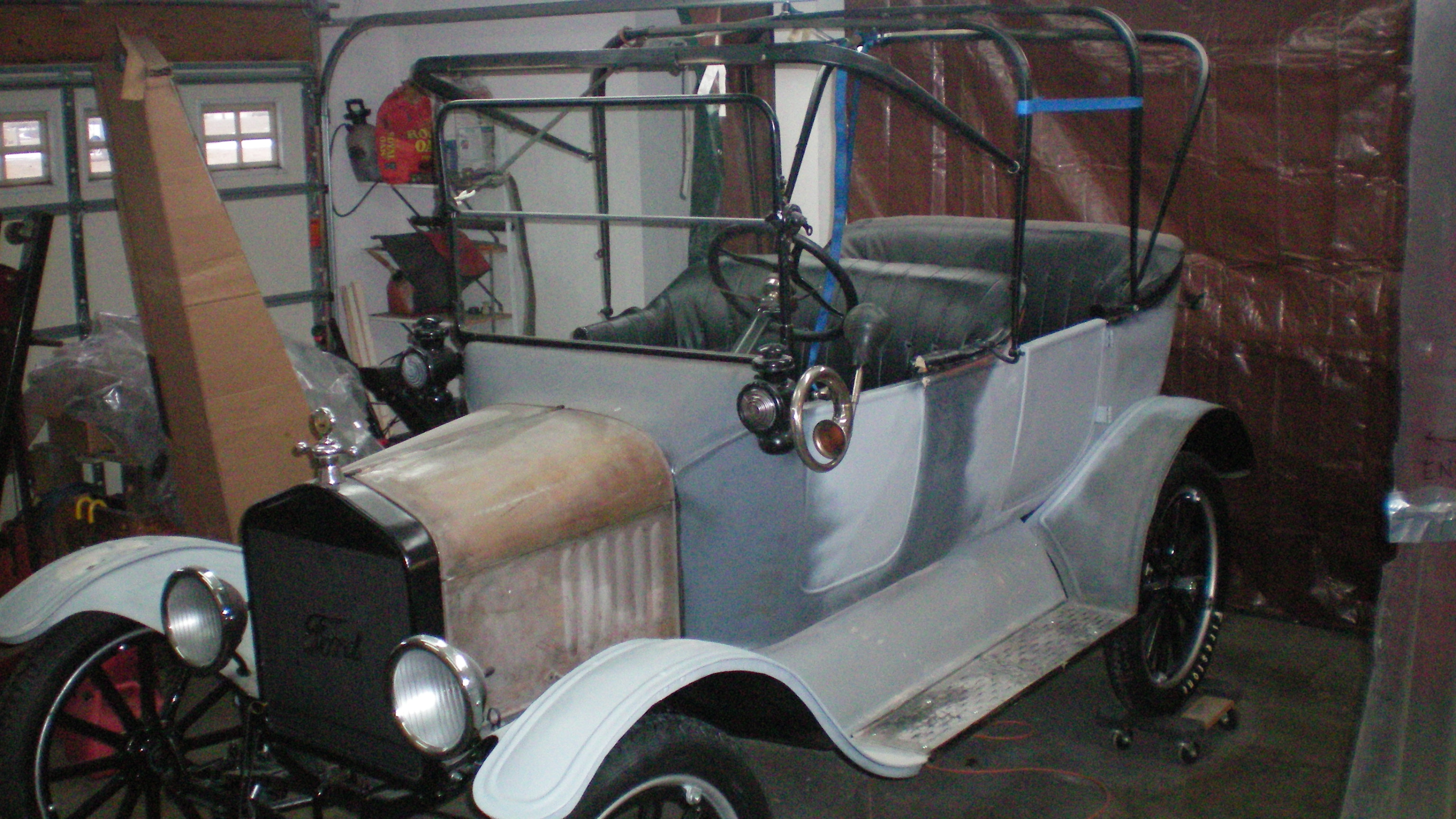
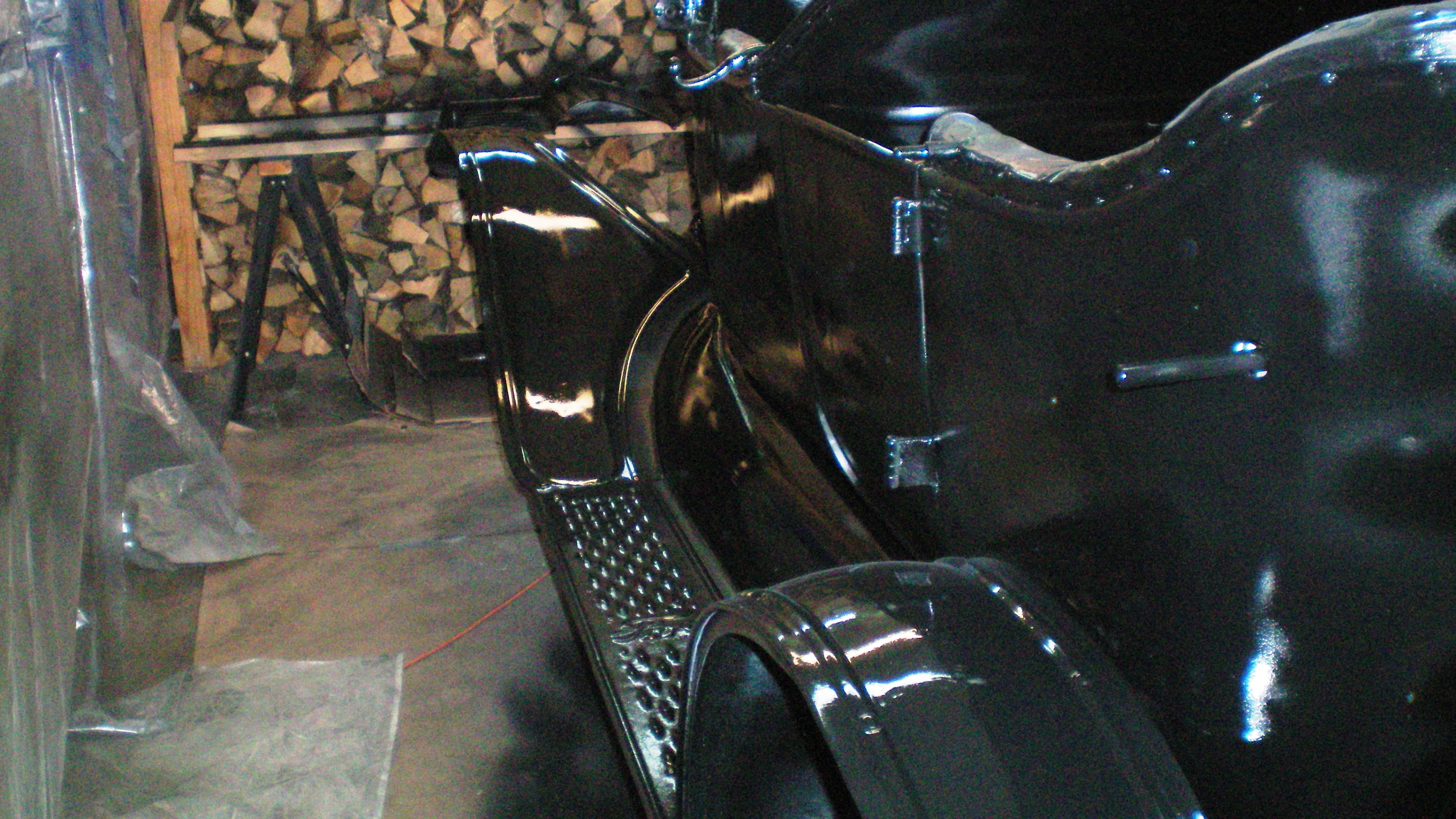
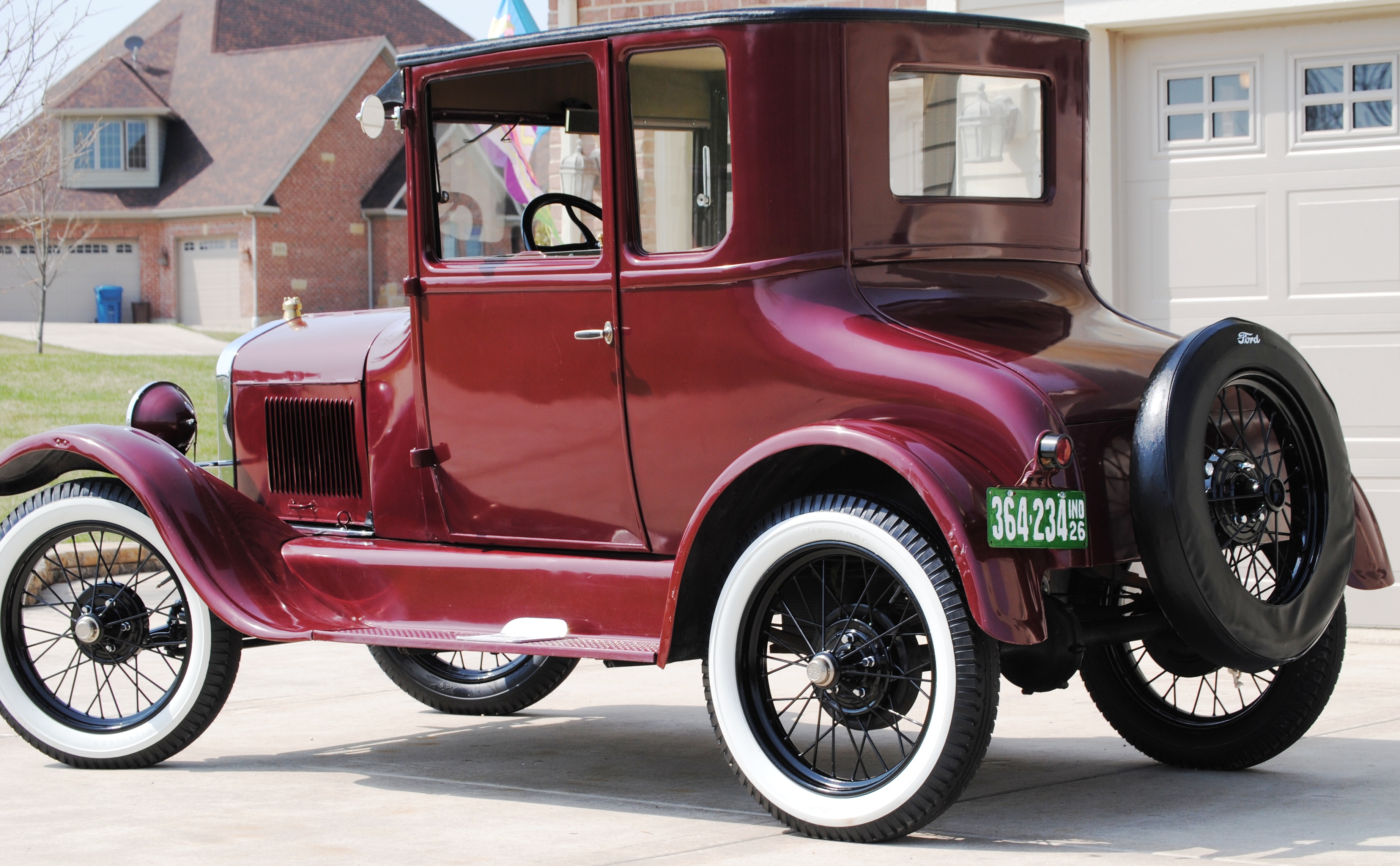
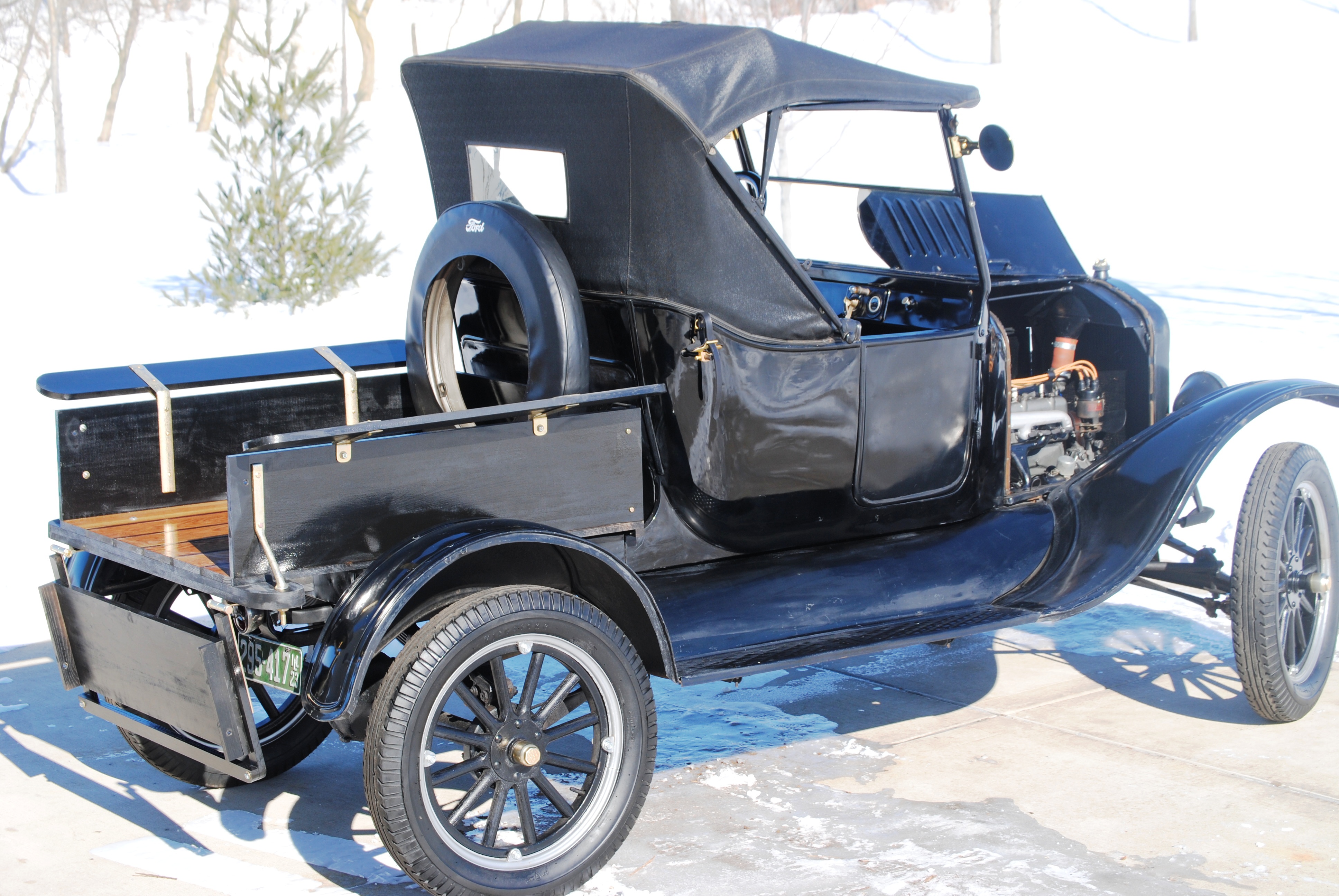
 by my daughter, but more aptly named ‘Barney’ by me, since most of its life to date has been spent in a barn or two. I started with a pretty rough looking car with rough sheet metal simply wired to the frame, no seats, top irons and the wrong size radiator (high instead of low), but whose engine was rebuilt but never run in the early 1970s by two owners ago. I obtained this car from a party in Minnesota who bought it from the heir of the rebuilder in 2011, and have been working part
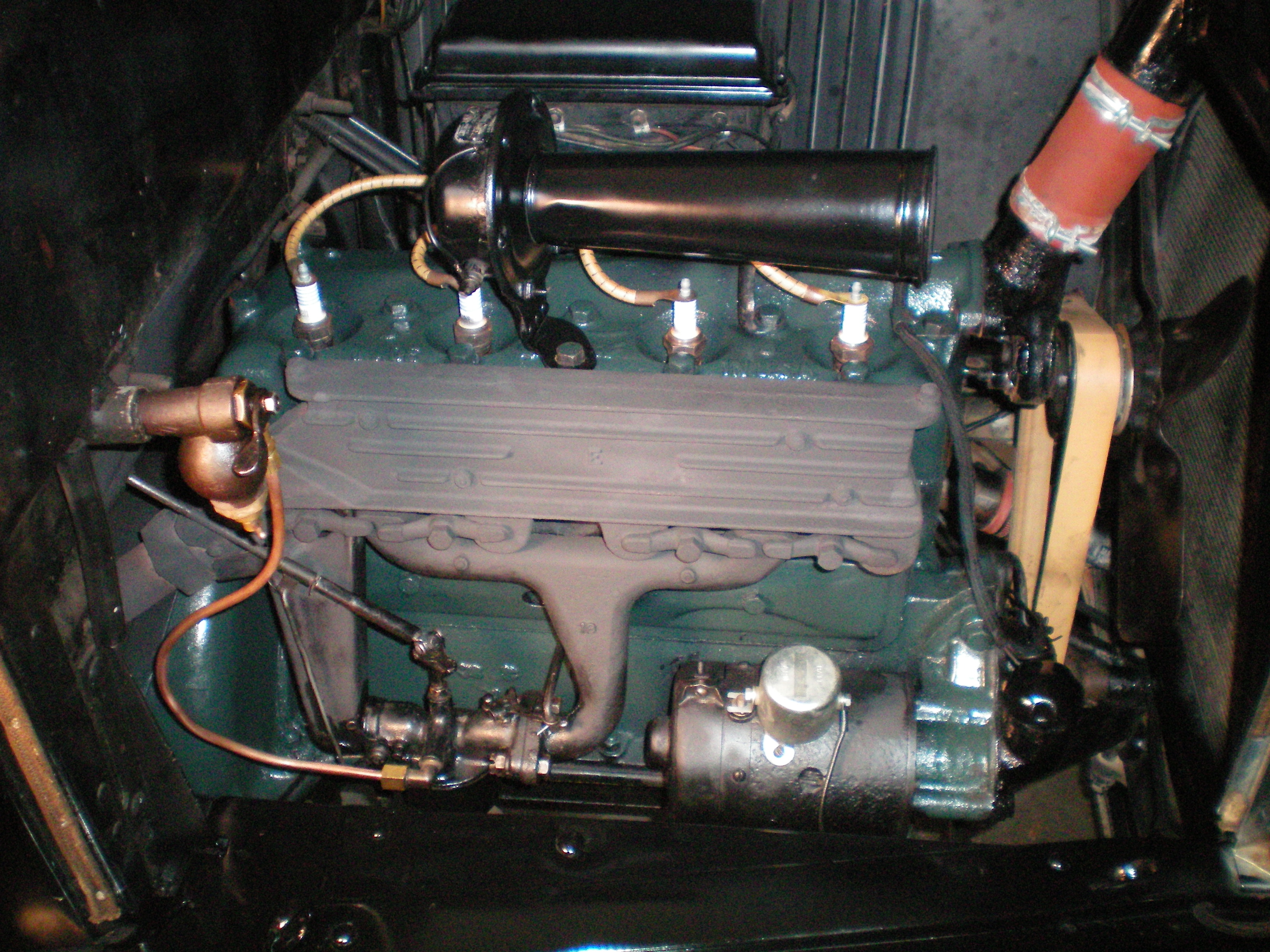
  time to assemble this car back to its former glory. Primary work to date includes much new body wood, new front and rear heel panels, new Ford logo floor mats, reconditioned gas tank, new sediment bulb and gas lines, new brake lining, new splash aprons, new safety glass, new radiator and radiator hoses, refurbished oil lanterns, recondtioined electrical igntion system to include (4) coils and dash panel by Bob Stauffer of Shaumburg, Illinois. Also added were new Firestone tires and tubes, new Kevlar transmission band linings, new motometer with dogbone, new cowl and radiator lacing, rebuilt rear end, reconditioned spare tire rack and spare tire with tube and vinyl Ford logo cover, rebuilt front end, new hubcaps, new floor boards, new wiring, new front and rear upholstery including kick panels, new top irons and top and fresh gloss black paint, although the paint job is not quite up to Pebble Beach showroom standards. At least it’s black and shiney, like Henry Ford liked it.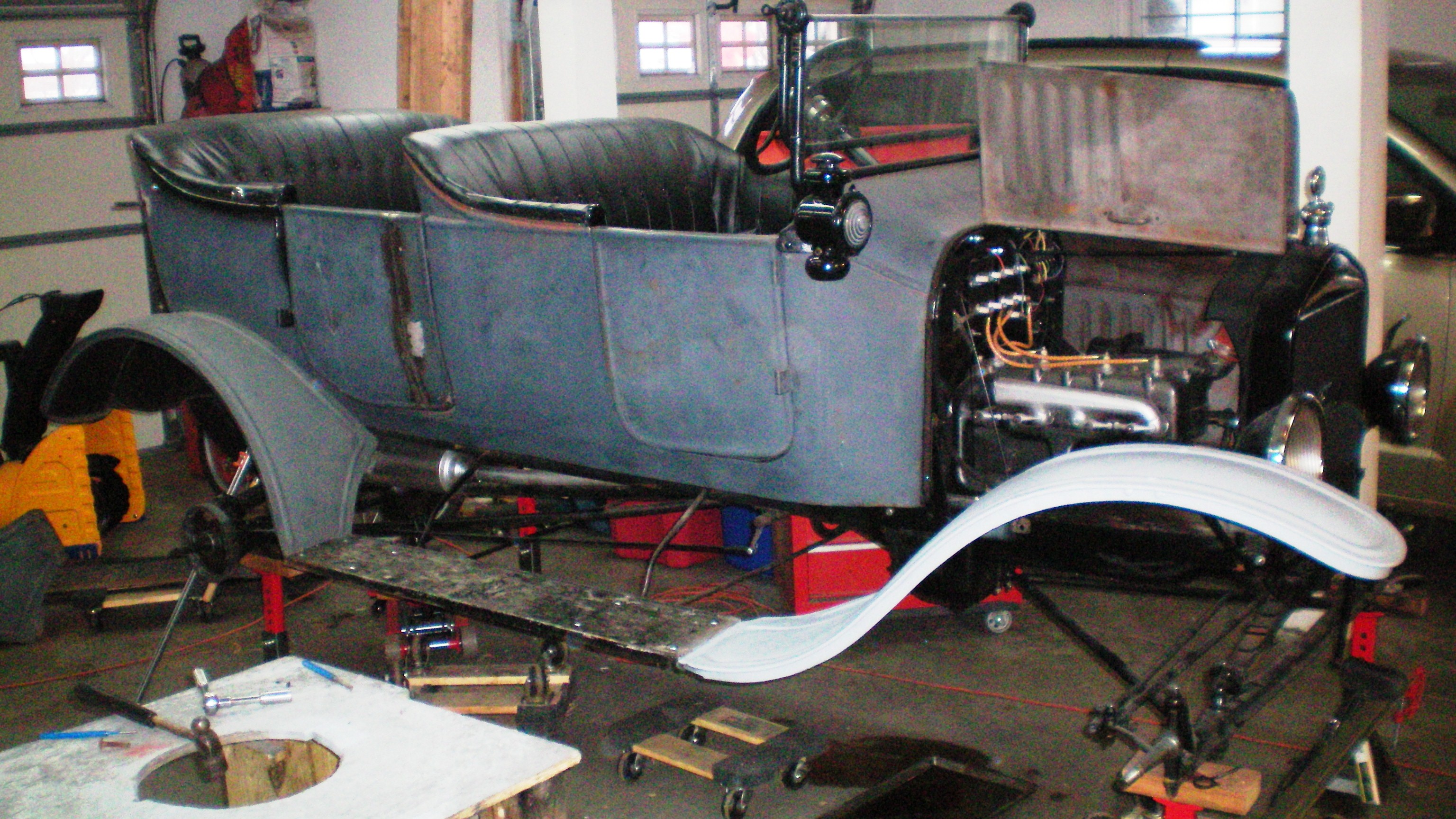
 2013.
2013.


















 OLDMOTORSGUY.COM